
2 hr
Akihabara Anime, Manga & Maid Cafe Walking Tour
Explore Tokyo's otaku heartland with an expert guide and a real maid cafe experience.
Reserve
Hand-picked by our editors — only the best 5 experiences from 42 reviewed
Verified partners for every tour, free cancellation where available, and instant confirmation on every booking.
2 hr
Explore Tokyo's otaku heartland with an expert guide and a real maid cafe experience.
Reserve
1 hr 30 min
Explore Tokyo's otaku capital with a local guide—retro gaming, arcades, figures, and capsule toys.
Reserve
1 hr 30 min
Explore Akihabara's anime shops, retro arcades, and gachapon with a local pop-culture guide.
ReservePrices from verified partners. Availability updates in real time at checkout. Free cancellation policies apply where shown.
The landmarks, rooms, and views travelers on this tour remember — all visible on a single visit.
A major landmark housing multiple floors of anime figures and trading cards. It is a central hub for any akihabara anime tour
These vibrant multi-story buildings feature the latest Japanese video games and prize machines. They are iconic stops on an akihabara anime tour
A historic site with strong ties to modern pop culture and local tradition. It frequently appears in various anime series
Large retailers offer a massive variety of gadgets and components. These stores define the technical side of the Akihabara landscape
Unique cultural venues that offer a themed dining experience central to the Akihabara district identity
Professional guides provide deep cultural context, while independent exploration offers total control over your schedule; most visitors find the guided akihabara anime tour superior for those wanting an efficient dive into otaku culture.
| Feature | Top pick Guided Tour | Self-Guided |
|---|---|---|
Expert Commentary |
Provided by local guide | None available |
Navigation Assistance |
Full route management | Dependent on digital maps |
Curated Hidden Gems |
Exclusive access included | Requires prior research |
Cost |
Private tour fees apply | 0 JPY entrance |
Flexibility |
Fixed schedule | Unlimited timing |
Learning Curve |
Low, immediate immersion | High, requires preparation |
| See tickets → |
Verdict: Opt for the Tokyo anime landmarks tour if you prefer a structured narrative, or choose the self-guided path if you possess the time to source your own akihabara anime tour tickets for specific arcades and shops.
Choose your ticket, select your date, and reserve in under two minutes. Secure checkout handled by our verified partner.
Instant confirmation by email, with a mobile voucher you can save offline. No printing, no queuing at a collection desk.
Arrive at the entrance, show your voucher on your phone, and walk in. Most tickets include priority or skip-the-line access.
Practical details for your visit straight from our verified partners — hours, access, rules, and how to get there.
Akihabara Station
Look for the main plaza
Use the JR Yamanote line to Akihabara Station. It is the most efficient way to reach the starting point of your akihabara anime tour
Available throughout Tokyo but traffic can be slow. Drop off at the main Akihabara intersection
Casual and comfortable walking shoes are recommended for every akihabara anime tour. Dress according to the seasonal weather of Tokyo.
Large luggage is difficult to manage in crowded shops. Use station coin lockers before starting your akihabara anime tour.
Always ask permission before taking photos inside private stores or arcades. Many establishments on an akihabara anime tour restrict photography of specific merchandise displays.
The Akihabara district is largely flat and accessible. Some older, smaller hobby shops may have narrow aisles or stairs during an akihabara anime tour.
Mobile phones are welcome for navigation and personal photos. Please respect local etiquette by keeping voice volume low during your Akihabara city landmarks visit.
The district is family-friendly, though some mature-rated anime shops are clearly marked. Keep track of children in crowded retail spaces during your local Tokyo anime tour.
Numerous cafes and restaurants are located throughout the area. Outside food is not permitted inside most shops on an akihabara anime tour.
Pets are generally not permitted inside retail stores or indoor arcades. Service animals may be allowed depending on individual store policy.
Private tours require booking in advance. Ensure you arrive at the designated meeting point at least 10 minutes before your skip-the-line Akihabara excursion begins.
Best time to go, insider tips, nearby landmarks, and the cancellation fine print — flip through to skim what matters to you.
How crowds, weather, and events shift across the year.
Mild weather is perfect for walking between shops. Late March features cherry blossoms in nearby parks.
Hot and humid conditions persist through August. Indoor arcades provide cool relief during your akihabara anime tour.
Cooler temperatures in October and November are ideal for exploring. This is a popular time for an akihabara anime tour.
Crisp air and fewer crowds in January and February. Most shops remain open for visitors.
Small details that turn a good visit into a great one.
Most shops open at 10:00. Verify the specific opening time before starting your akihabara anime tour.
Store large items at the station. This keeps your hands free for shopping on your Akihabara discovery tour.
Do not take photos of people without permission. Politeness is key during your private akihabara anime tour.
Many small shops prefer cash payments. Carry yen for your akihabara anime tour purchases.
Vendors and vending machines are everywhere. Keep cool during your akihabara anime tour.
Non-bookable sights within a short walk — free to visit, easy to pair.
A historic shrine often featured in anime series. It offers a cultural contrast to the modern district
An architectural site with preserved brick arches. It connects modern transport with local history
Flexible, no hidden fees.
Tours are private and carry separate fees per the booking agreement. Cancellations must be made within the operator-defined window for a full refund of the tour service fee.
Hand-picked options within walking distance — pick a district for vibe, or a specific hotel for convenience.
Convenient lodging near the station
Modern rooms with a local design aesthetic
Various lodging options from hostels to luxury hotels
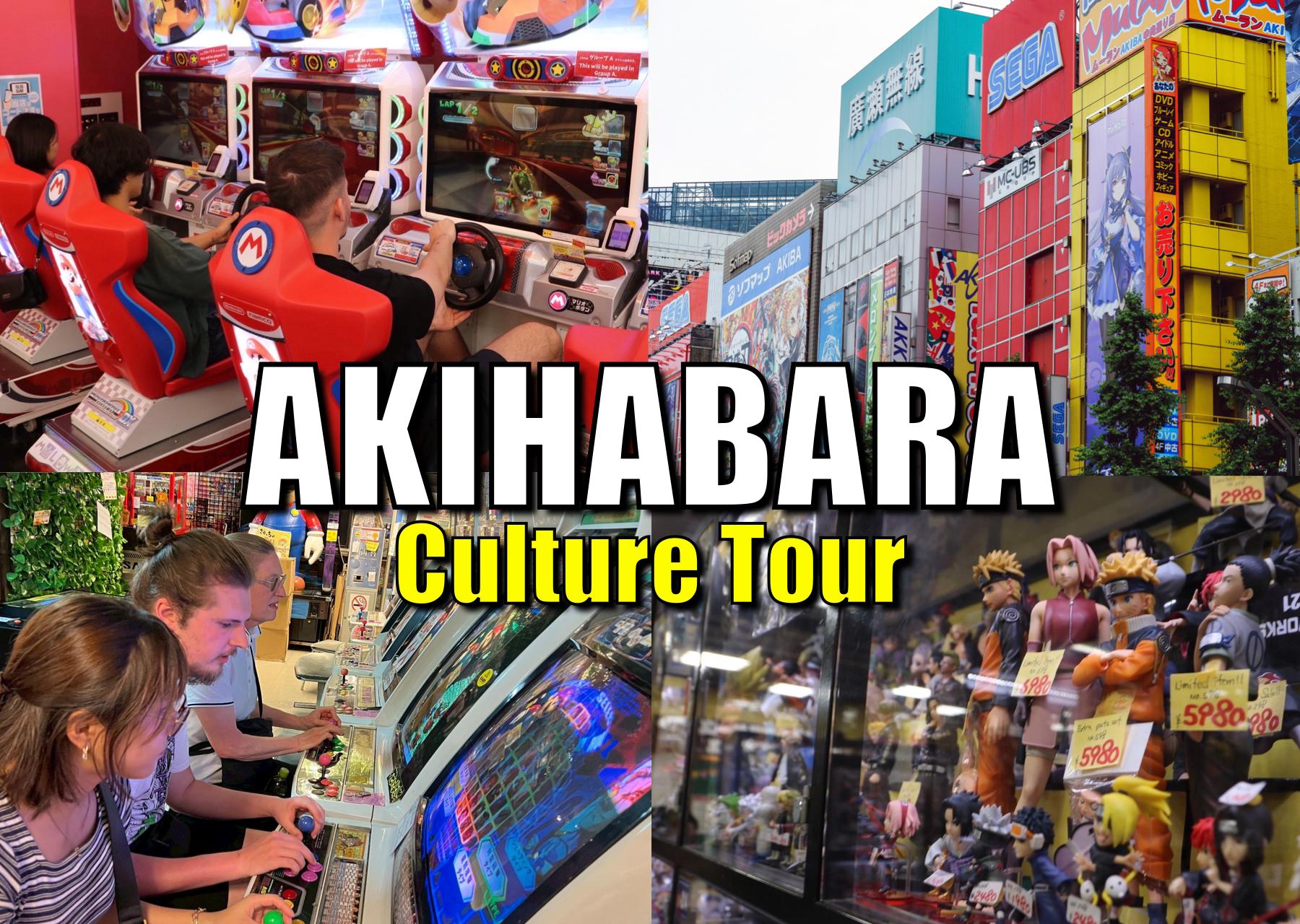
Akihabara's transformation from black-market radio district to global anime capital took less than thirty years. After World War II, vendors sold surplus vacuum tubes and transistors under the railway arches; by the 1980s, those same alleys held the first generation of manga specialty stores and imported figurine shops. The district earned its nickname "Electric Town" not from neon signs but from the hum of ten thousand CRT monitors running simultaneously in pre-digital arcades. Today the neighborhood spans twenty-three city blocks between Chiyoda and Taito wards, organized into overlapping retail strata. Chuo-dori, the central avenue, closes to vehicle traffic on Sunday afternoons and fills with cosplayers, street performers, and sidewalk vendors selling doujinshi—self-published comics printed in runs as small as fifty copies. Multi-story flagship stores anchor each corner: Mandarake's eight-floor complex houses seventy thousand used manga volumes; Animate Tokyo stocks merchandise for over three hundred active series; Super Potato's retro game collection includes every Nintendo cartridge released between 1983 and 1996. The district's maid cafes emerged in the early 2000s as theatrical extensions of the "moe" aesthetic—servers in Victorian costume perform scripted rituals over dessert service. More than thirty such establishments now operate within a ten-minute walk of Akihabara Station, each cultivating a distinct house style. Nearby arcade halls like Taito Station and Club Sega occupy full buildings, their floors segmented by game type: rhythm machines on three, crane games on four, fighting tournaments on five. Akihabara anime tour experiences range from two-hour group walks that hit the district's commercial highlights to private four-hour deep-dives into niche collector shops where manga volumes from the 1970s sell for eight thousand yen. Local guides navigate the vertical retail landscape—many significant stores occupy only a single floor in an unmarked building—and provide real-time translation for shops that stock Japanese-exclusive releases. The concentration of specialty retailers within such a compact area has no equivalent elsewhere in Tokyo.
"The district earned its nickname Electric Town not from neon signs but from the hum of ten thousand CRT monitors running simultaneously in pre-digital arcades."
A step-by-step walkthrough of the visit — what you'll see, how long each stage takes, and the details that matter.
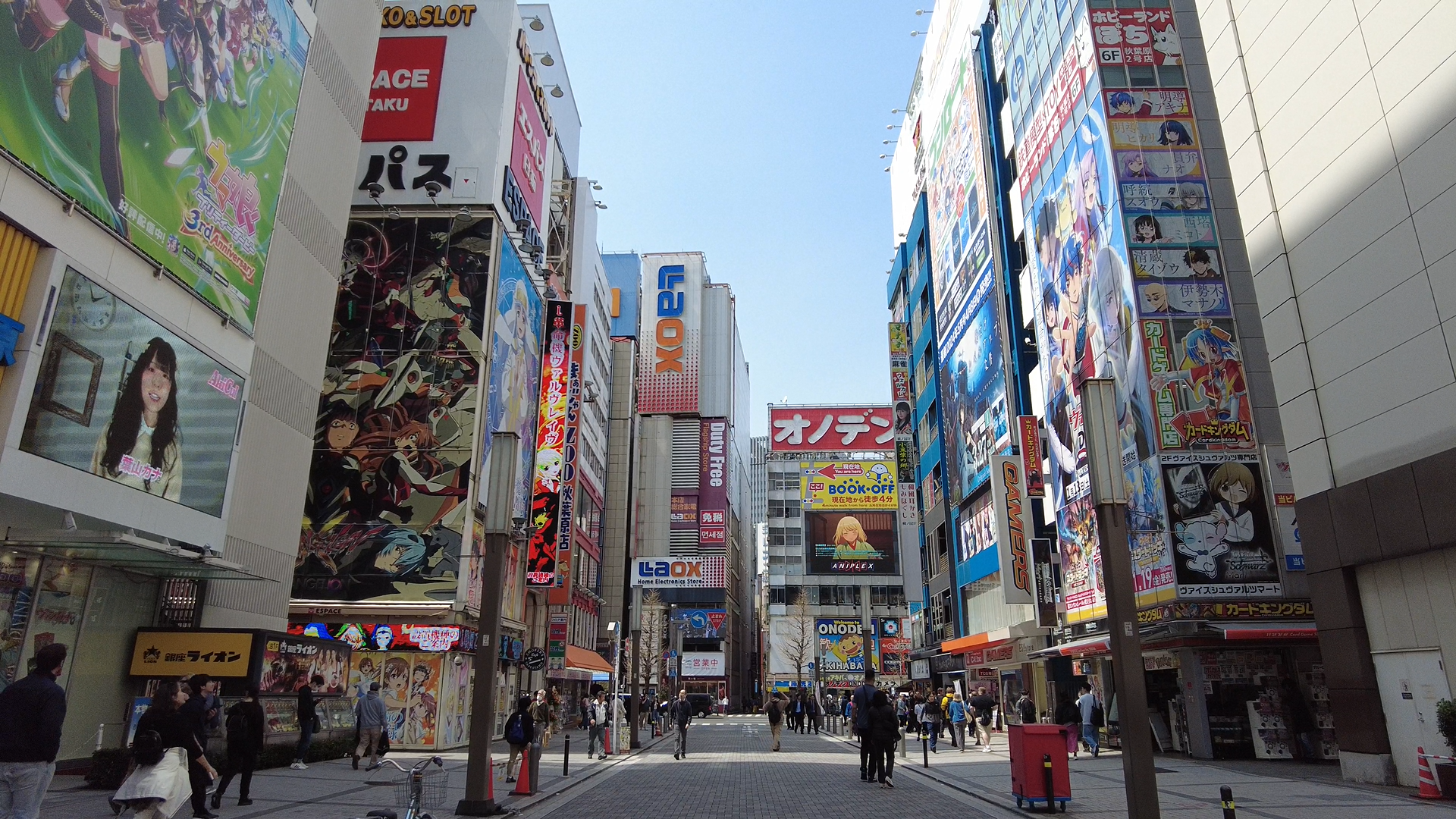
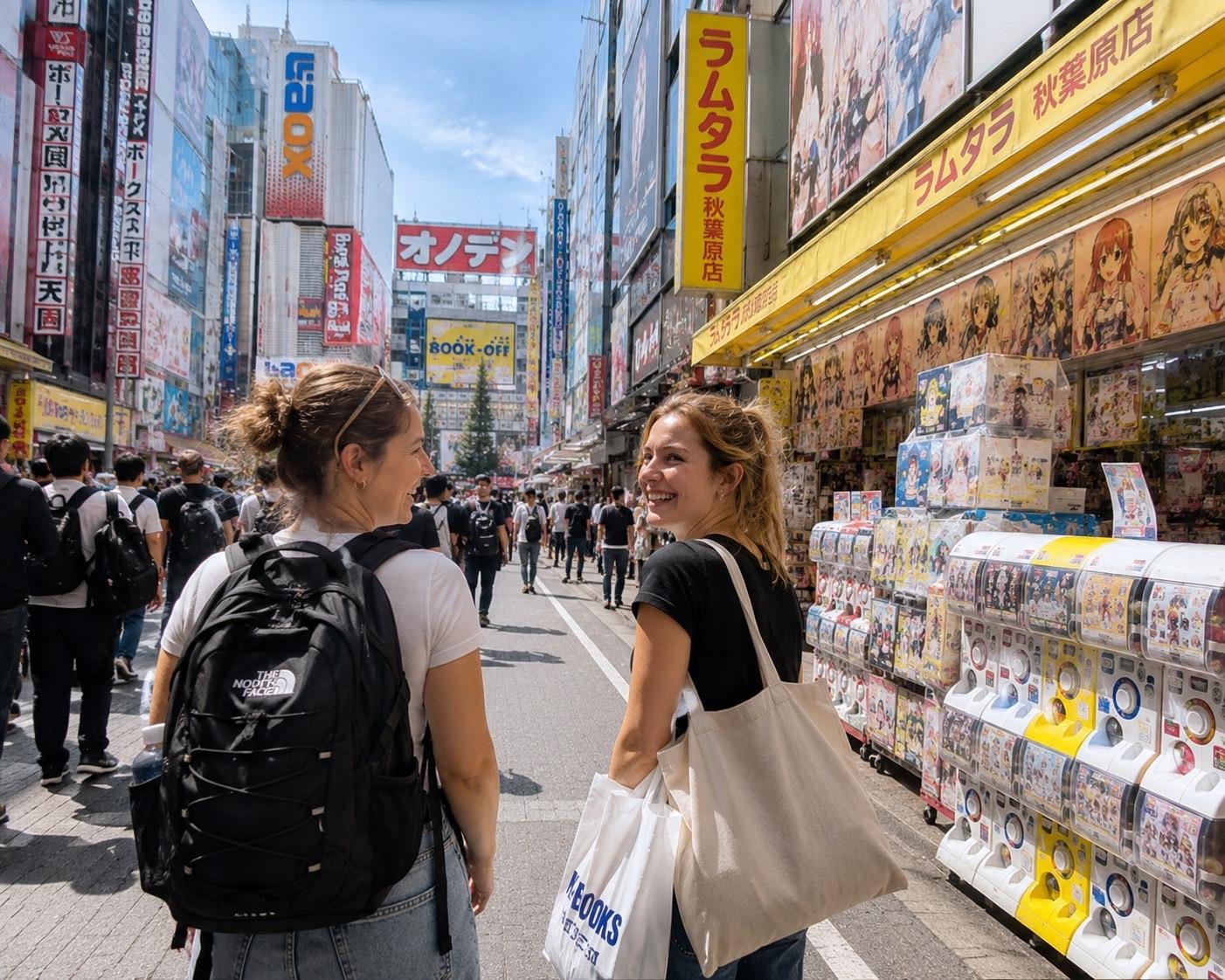
You emerge from Akihabara Station's Electric Town Exit into a corridor of LED billboards advertising the season's new anime releases. Your guide leads you south on Chuo-dori, past the first wave of electronics retailers, and turns into a narrow side street where three-story buildings display hand-painted signage for manga rental libraries and import toy shops. You climb to the fourth floor of a converted office block to reach a specialist store that carries only mecha model kits—plastic Gundam parts fill bins organized by series and scale. The guide explains the grading system for limited editions. Two blocks east, you enter a maid cafe where servers greet you with choreographed bows and perform a dessert-blessing ritual involving synchronized hand gestures and a Japanese pop song. The menu lists seventeen varieties of parfait. Your final stop is a six-floor arcade where you try a rhythm game that requires hitting thirty buttons in sequence while a crowd gathers to watch the combo counter. On the ground floor, crane game machines hold prizes ranging from plush mascots to sealed figurines worth forty dollars on the resale market. You exit through the retro game section, where a 1987 Famicom console sits in a display case next to its original box and price tag.
The Akihabara district is open 00:00–23:59, though most shops operate during the recommended 10:00–18:00 window.
Yes, the main streets and major buildings of the Akihabara district are accessible for visitors with mobility aids.
Yes, tickets for private experiences can be reserved through authorized booking platforms.
Bring comfortable shoes, a portable battery, and cash for your akihabara anime tour experience.
Prohibited items include large luggage and professional recording equipment, which are restricted on most tours.
Photography is permitted in public spaces, but always ask before capturing images of merchandise inside shops.
The best time to start your akihabara anime tour is between 10:00 and 18:00 when stores are fully operational.
Yes, there is 0 JPY entrance fee for the Akihabara district; private tours carry separate fees.
Private tour prices vary based on the provider; please check the live booking grid for exact pricing.
Yes, the area is family-friendly, making it a great choice for a guided akihabara anime tour.