Akihabara Tour
Akihabara Tour
Independent guide · Tickets & experiences

Akihabara Tour

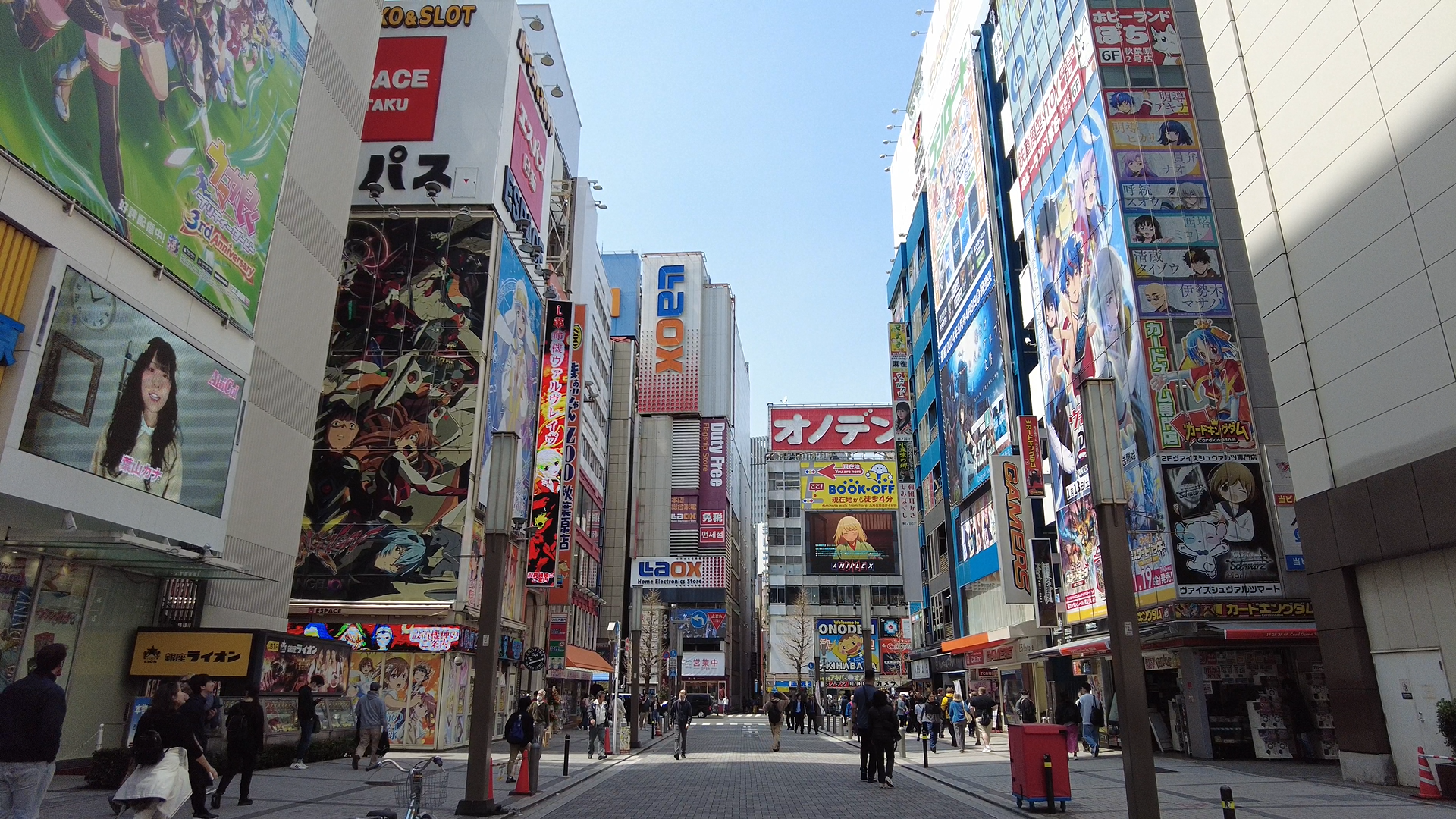
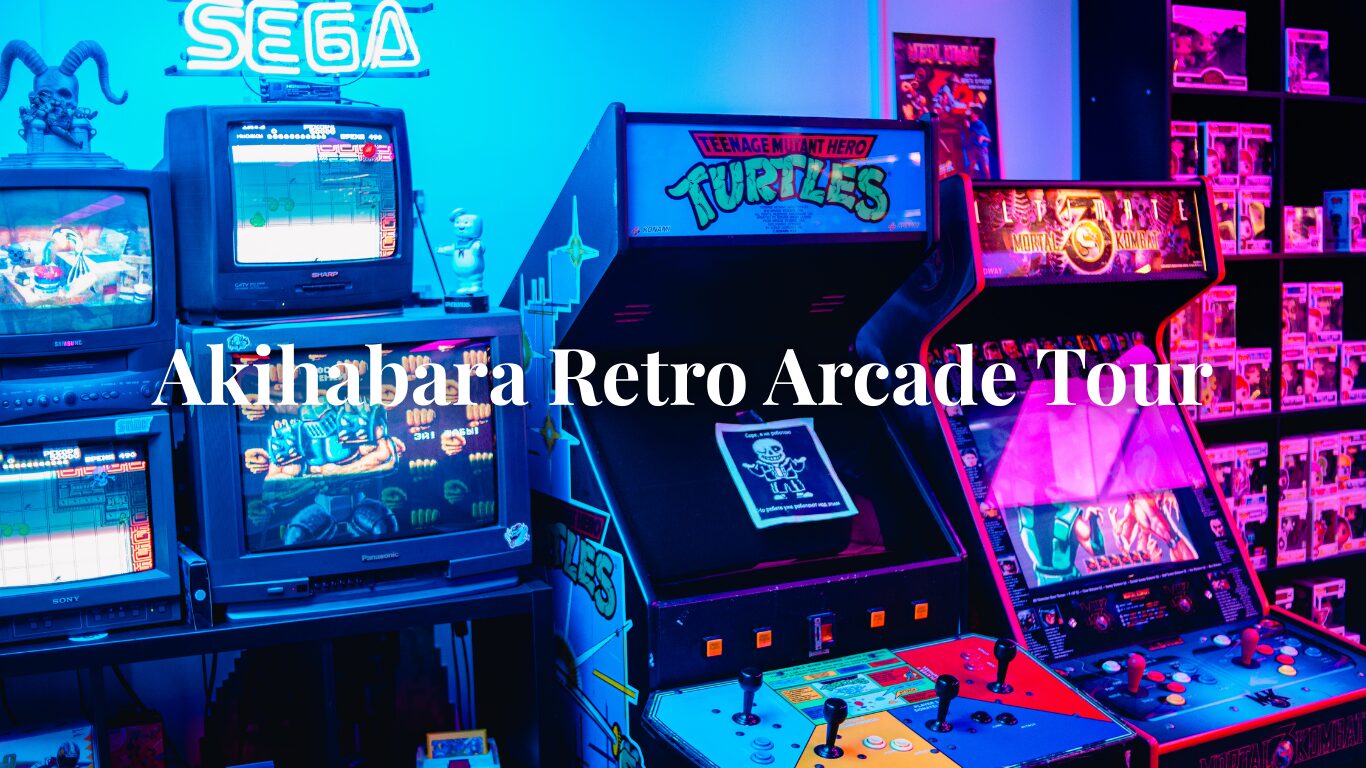
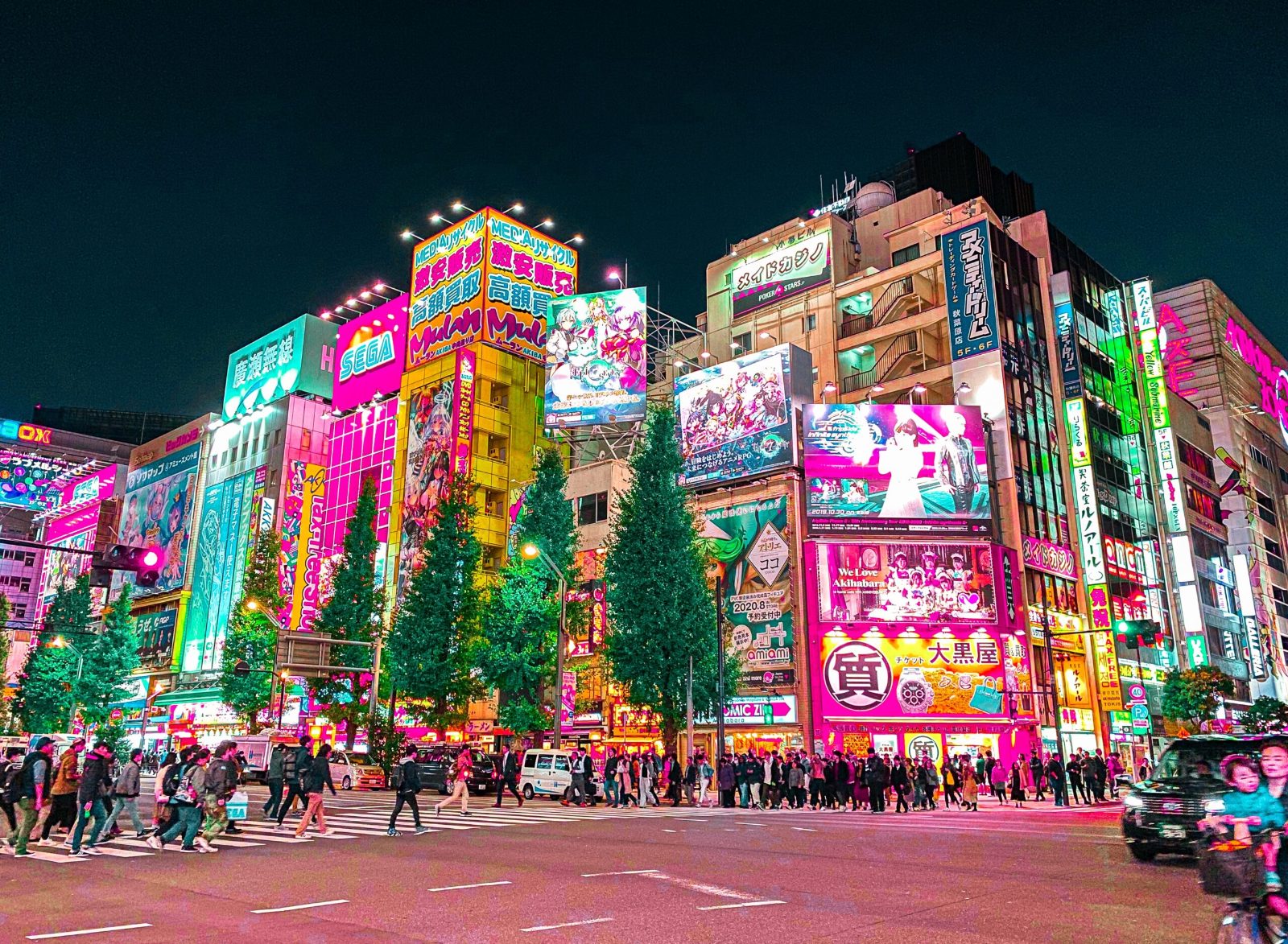
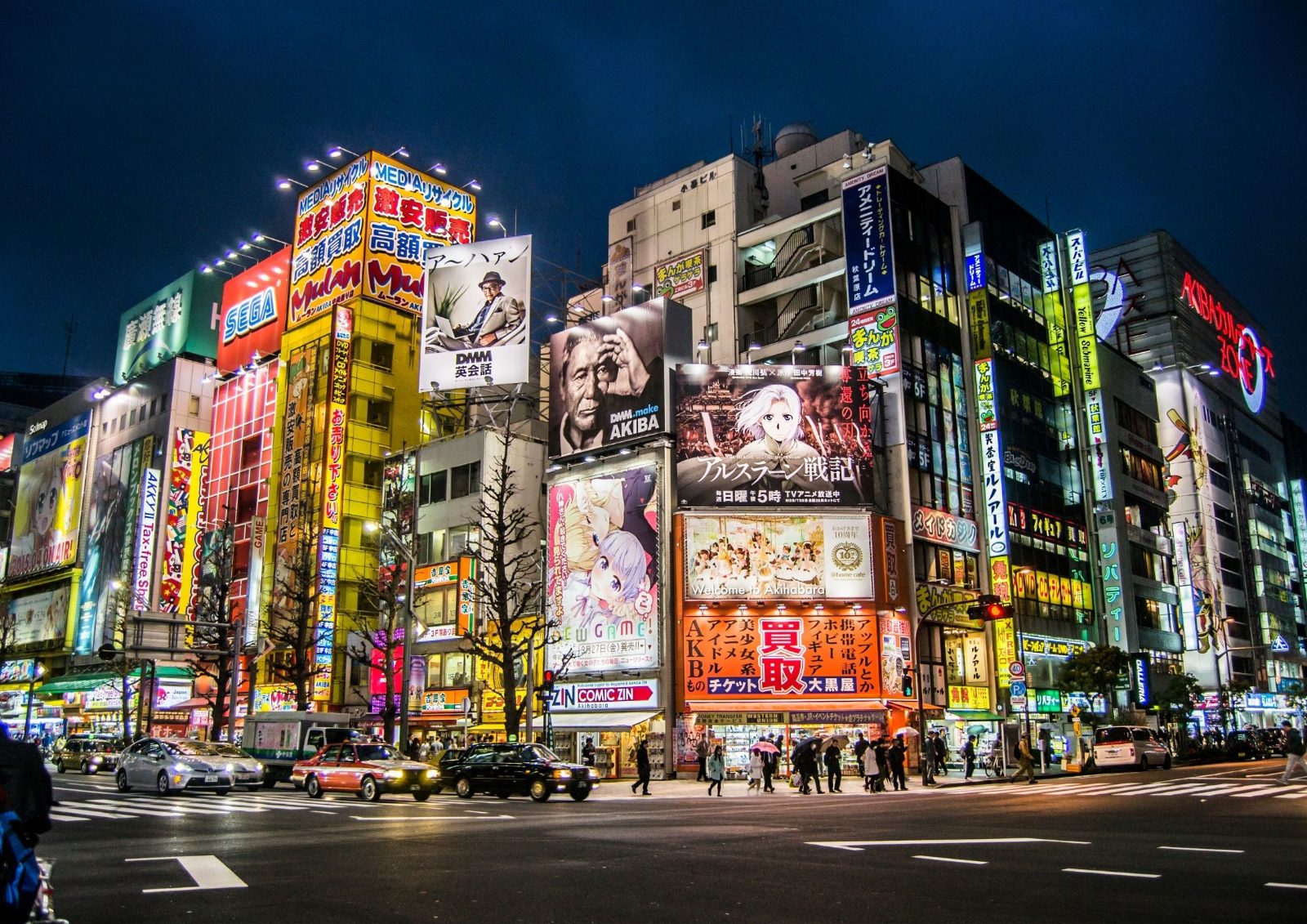
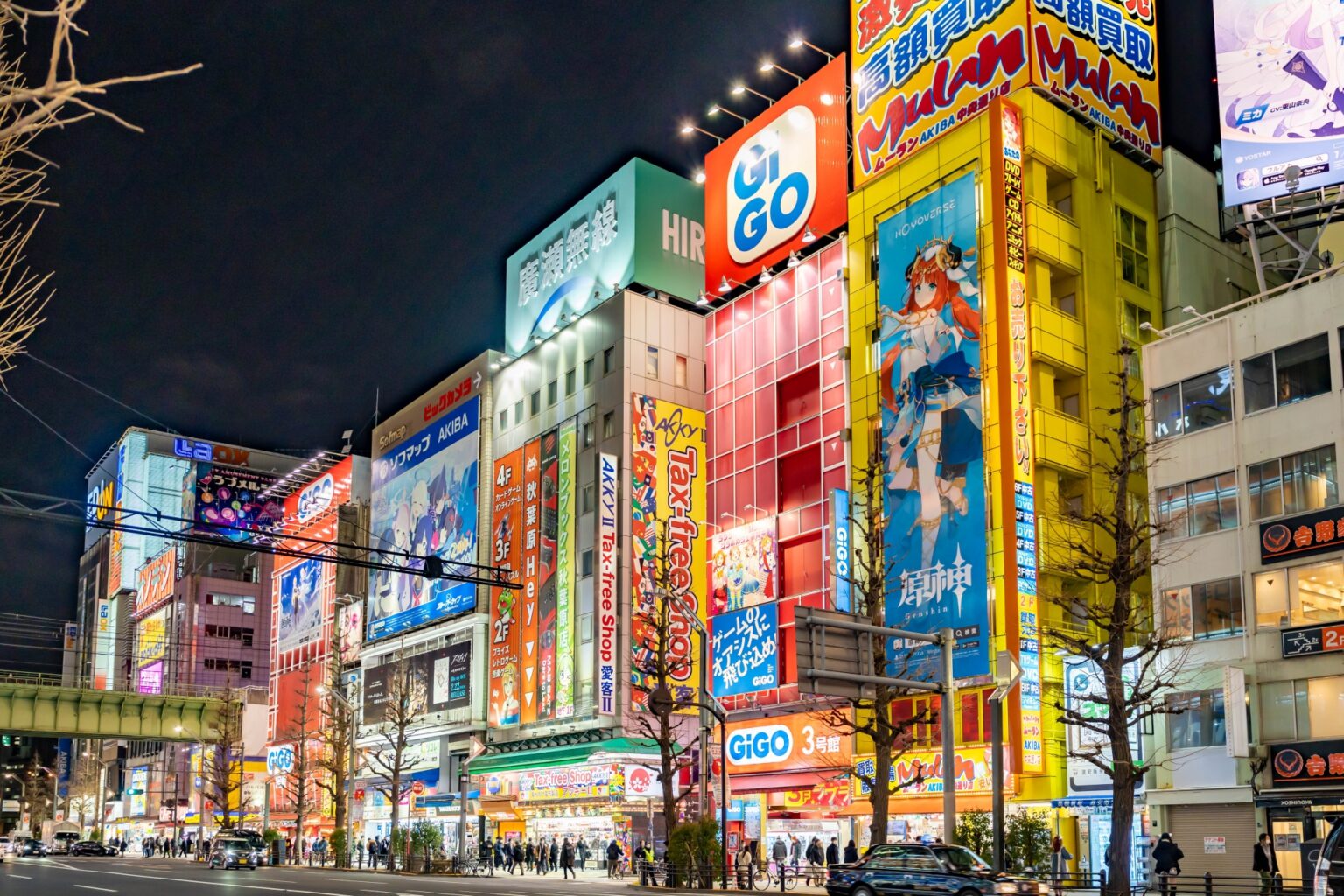
Neon facades illuminate retro gaming halls, while otaku culture defines the bustling streets.

Hand-picked by our editors — only the best 8 experiences from 60 reviewed.

Free cancellation Instant confirmation Mobile voucher Verified partner
Tickets

Choose your Akihabara tickets

Verified partners for Akihabara tours, free cancellation where available, and instant confirmation on every booking.

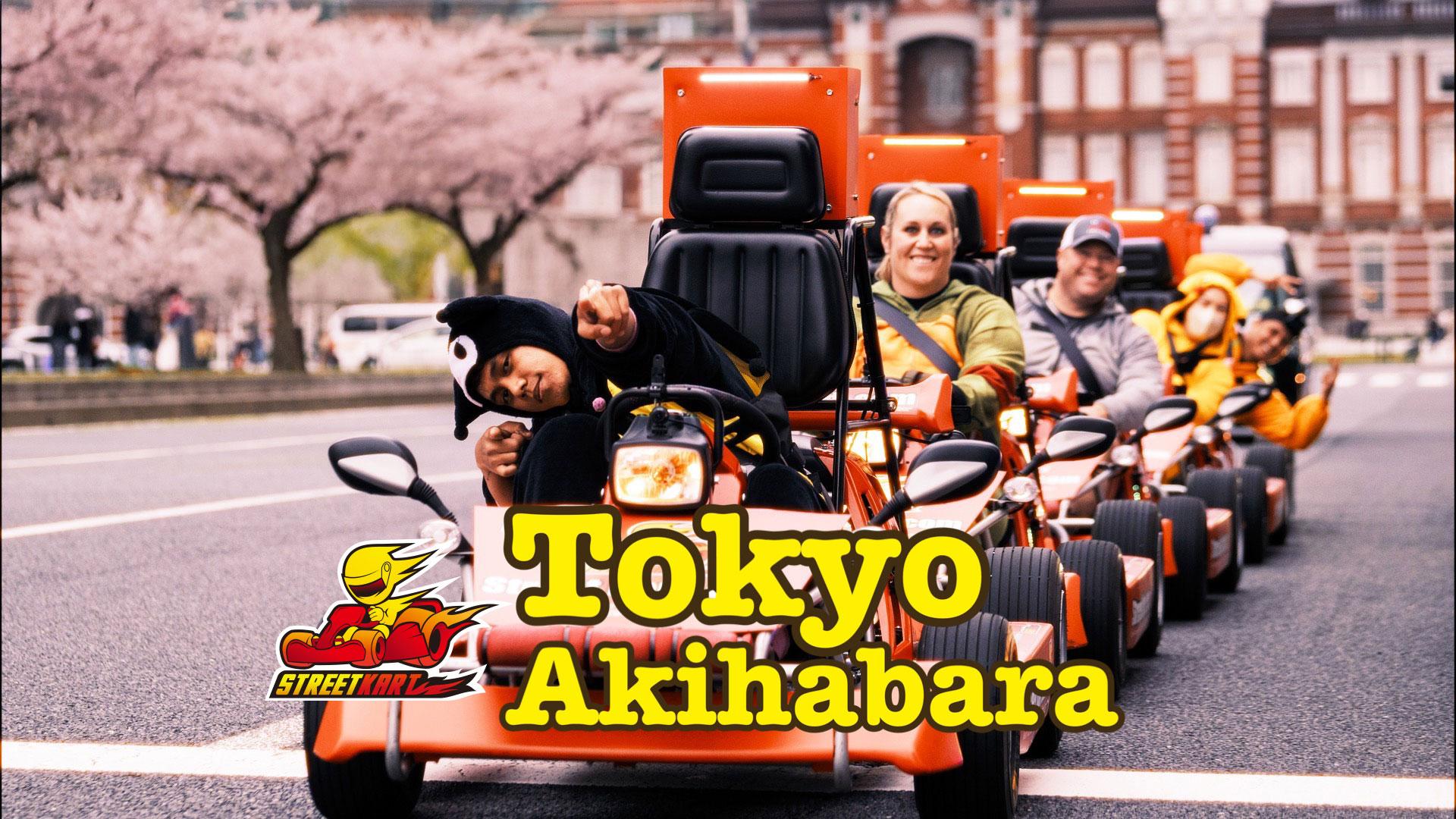
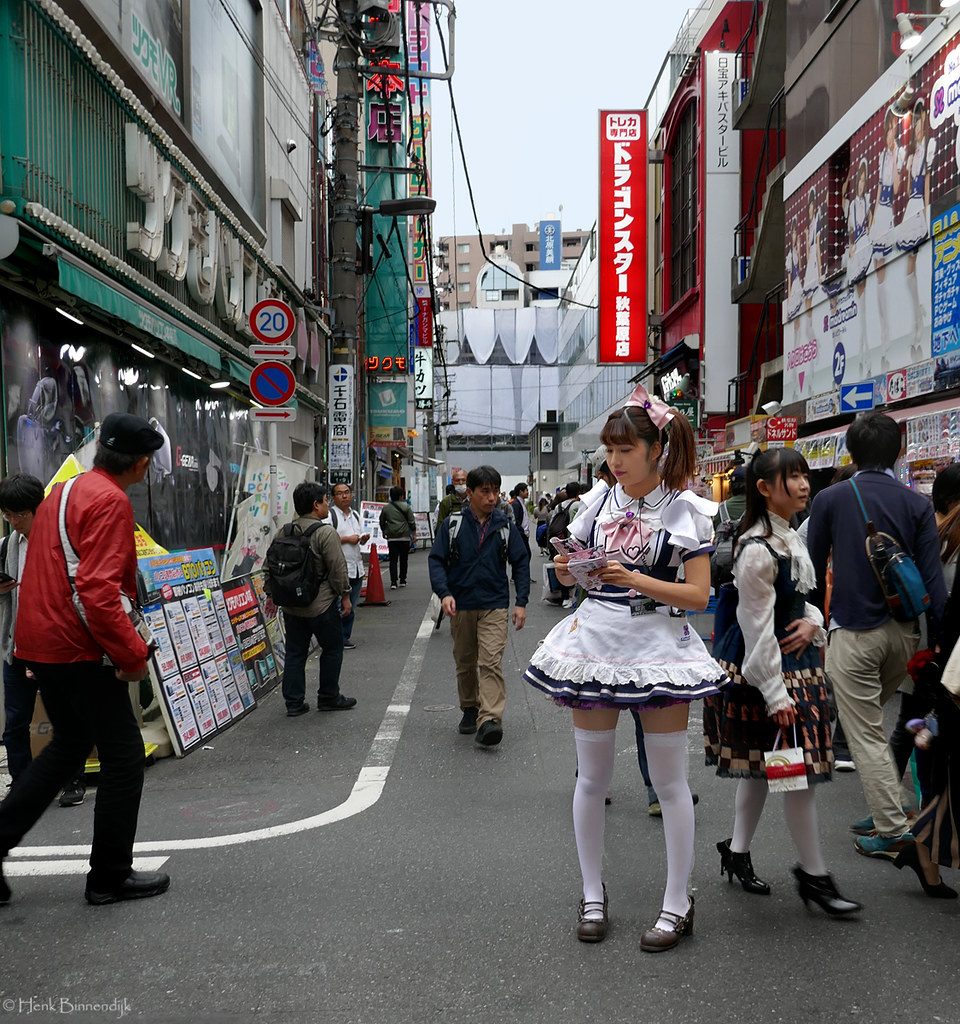
Akihabara Street Go-Kart Adventure in Costume 1 hr
Standard Entry

Akihabara Street Go-Kart Adventure in Costume

★ 4.9 (127)
€64
per person
Instant Mobile voucher Flexible — change up to 24h

Drive a custom go-kart through Tokyo's iconic districts dressed as your favorite anime character

Reserve
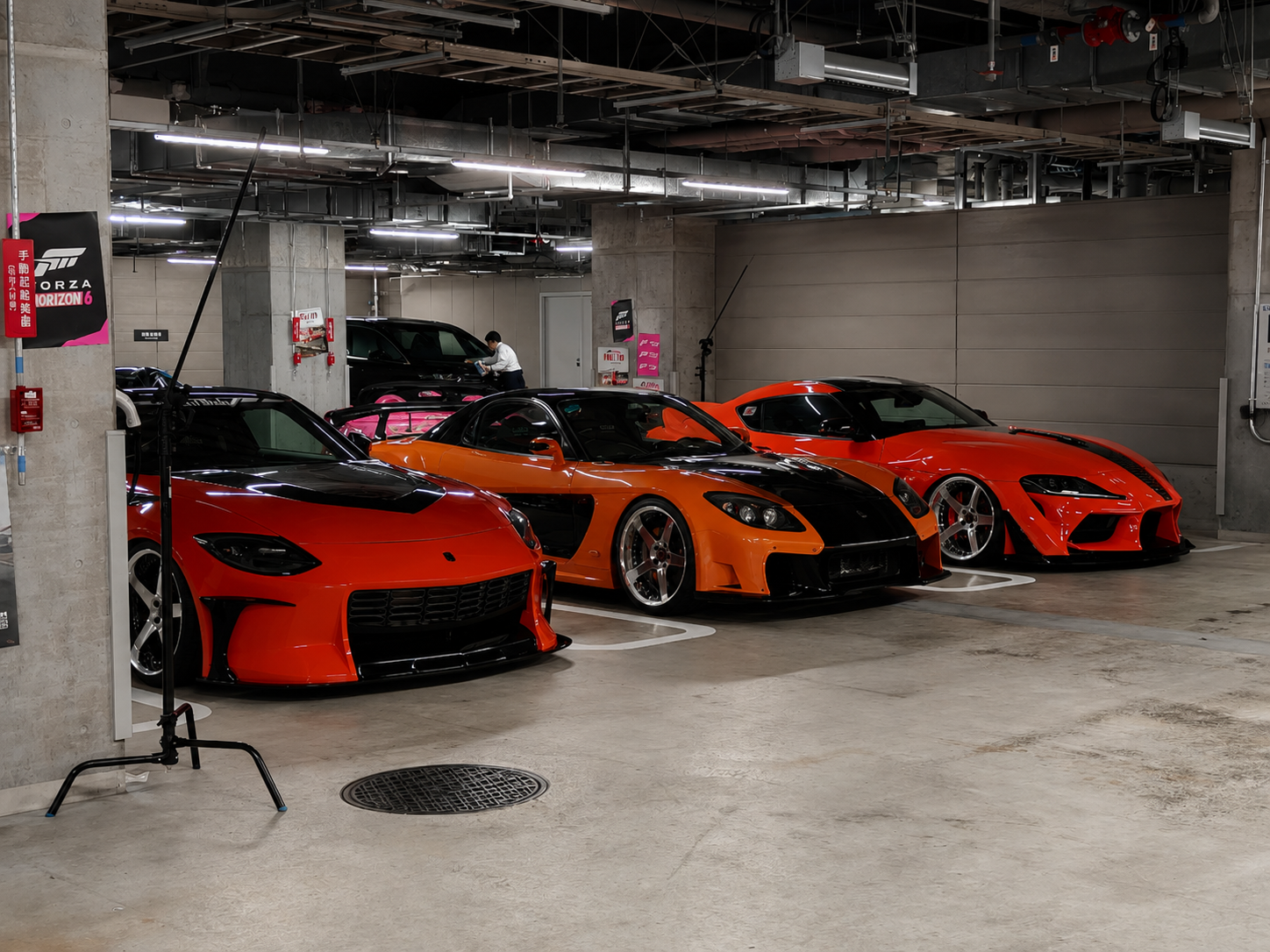
Fast & Furious Tokyo Drift Experience 4 hr
Standard Entry

Fast & Furious Tokyo Drift Experience

★ 4.8 (5762)
€96
per person
Instant Mobile voucher Flexible — change up to 24h

Ride in high-performance JDM sports cars through Tokyo's iconic streets and tunnels to legendary car meets

Reserve

Prices from verified partners. Availability updates in real time at checkout. Free cancellation policies apply where shown.

Duration
3-4 hours recommended
Languages
English, Japanese, Mandarin
Group size
Max 10 travelers
Cancellation
Free cancellation 24 hours prior
Highlights

What you'll see inside Akihabara

The landmarks, rooms, and views travelers on Akihabara tours remember — all visible on a single visit.

Chuo-dori Street

Chuo-dori Street

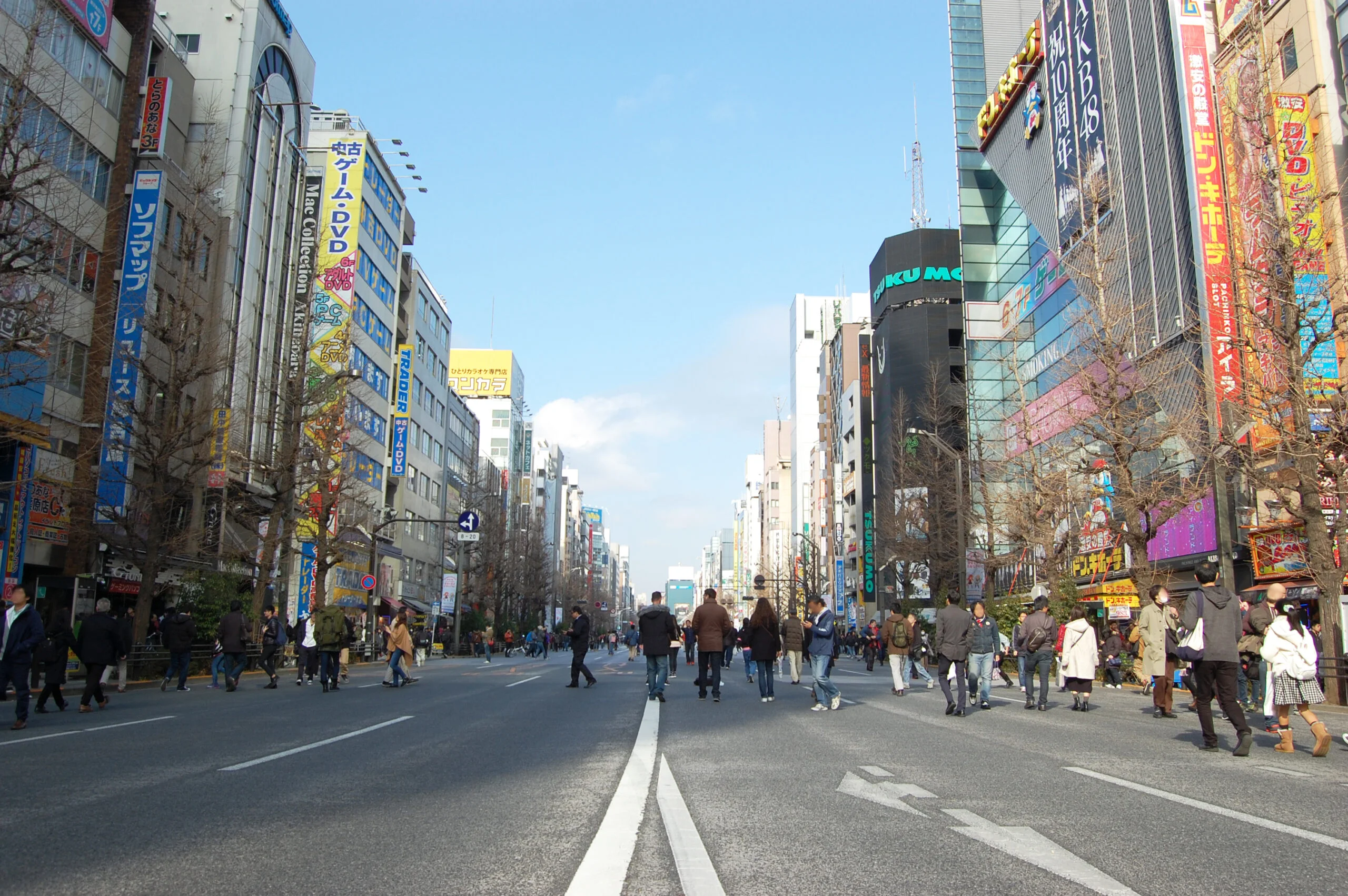
The main thoroughfare lined with major electronics retailers and neon signs. It serves as the pulse of the district.

Radio Kaikan

Radio Kaikan

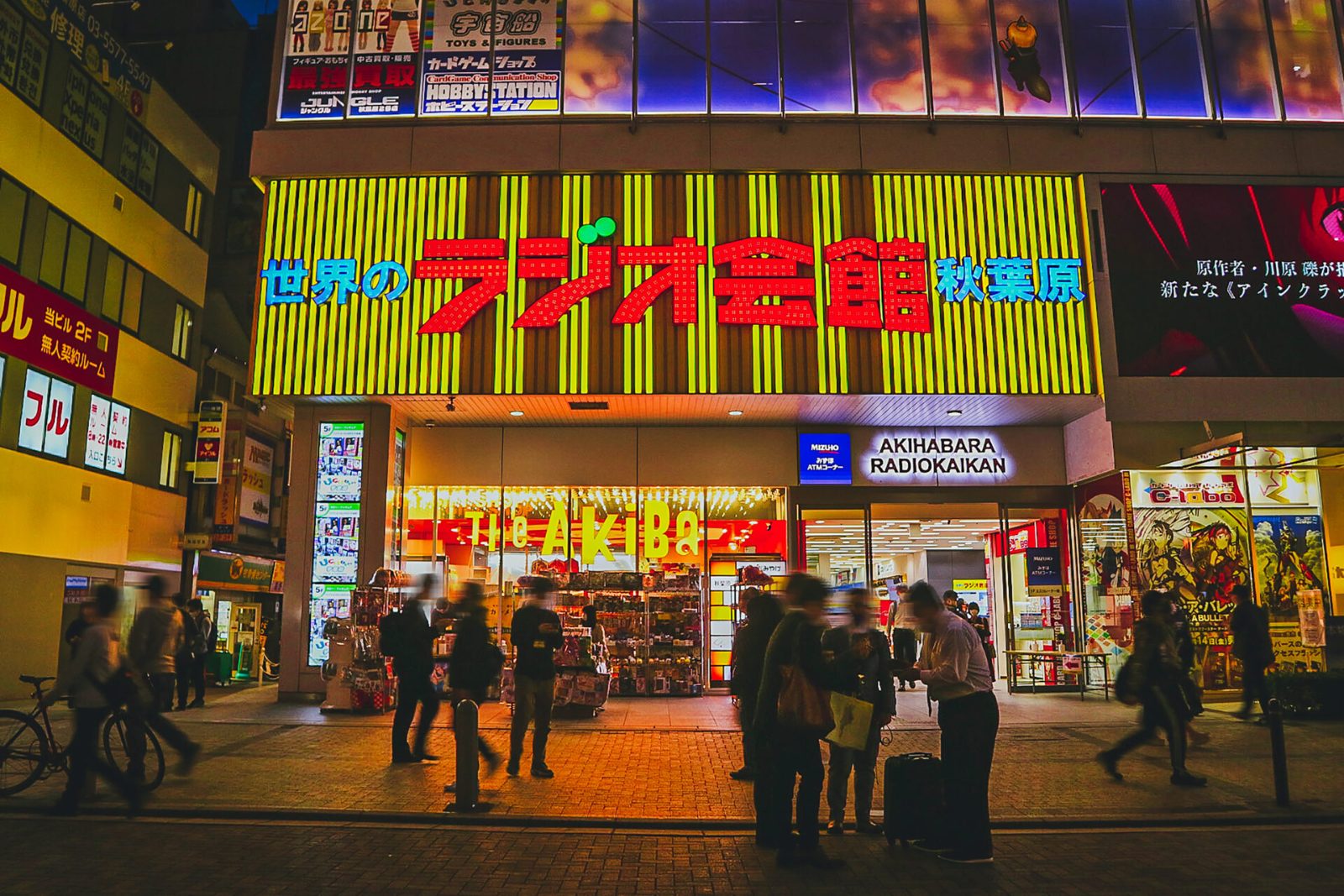
A historic multi-story building famous for anime figures and trading cards. It remains a cornerstone of hobby culture.

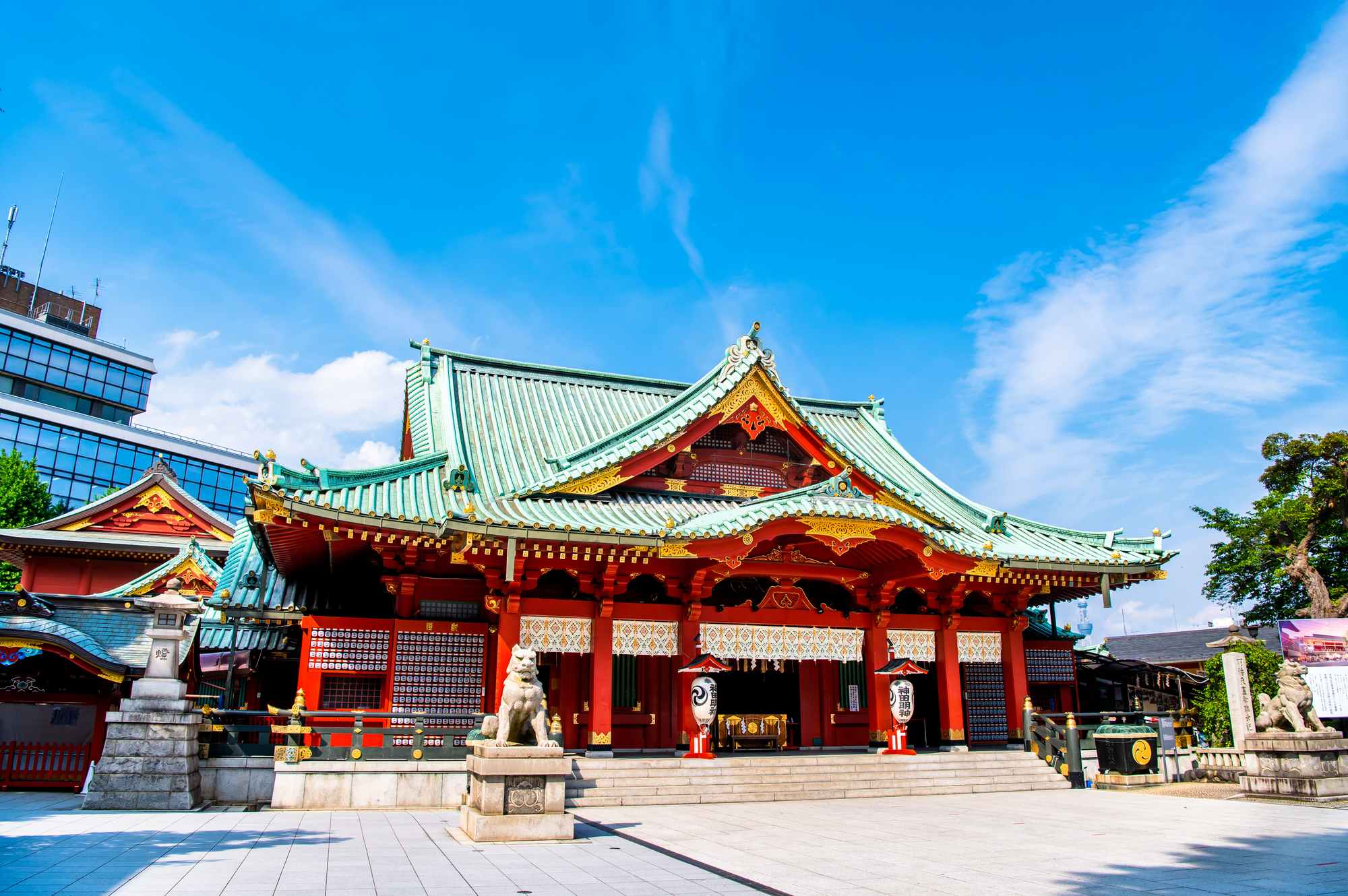
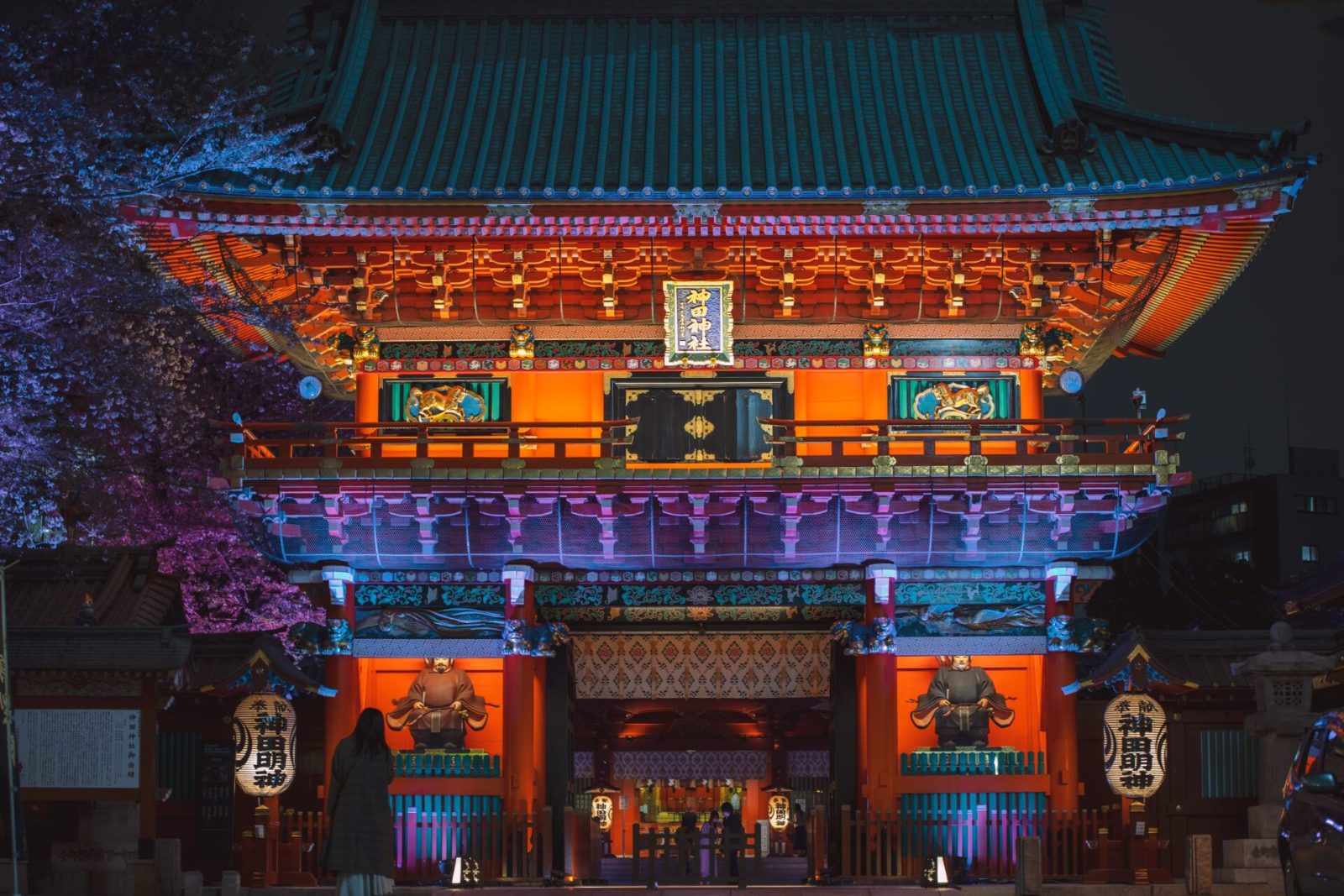
Kanda Myojin Shrine

Kanda Myojin Shrine

A historic shrine that contrasts with the surrounding modern electronics. It is culturally significant to the local area.

Retro Game Centers

Retro Game Centers

Multi-story arcades offering classic gaming experiences and claw machines. These venues define the gaming aspect of an akihabara tour.

Electronics Retailers

Electronics Retailers

Massive stores selling everything from computer parts to home appliances. They are the primary draw for many visitors.

Compare

Akihabara tickets & tours compared

Every Akihabara tour side-by-side — duration, what's included, how you redeem.

Experience DurationRatingSkip-the-lineGuideSmall groupFree cancel. Price
Standard Entry
Akihabara Street Go-Kart Adventure in Costume
1 hr★ 4.9———✓ €64 Book →
Standard Entry
Fast & Furious Tokyo Drift Experience
4 hr★ 4.8——✓✓ €96 Book →

All prices from verified partners. Availability and exact terms confirmed at checkout.

Head to head

Akihabara Tour vs Nakano Broadway: Which Subculture Hub Should You Choose?

They complement each other; most visitors who do both find the Tokyo electronics district more thrilling for its expansive neon landscape while favoring the retro mall for vintage finds. Navigating an akihabara tour offers a grand-scale dive into modern otaku culture.

Feature Top pick Akihabara Nakano Broadway
Vibe
Compact retro nostalgia
Primary Focus
Vintage collectibles and anime goods
Retail Environment
Indoor multi-level shopping complex
Crowd Density
Moderate to high weekend traffic
Ease of Navigation
Confined layout with narrow corridors

Verdict: Choose the Akihabara tour tours for a sprawling, immersive sensory experience, or opt for Nakano Broadway when seeking a concentrated treasure hunt for rare vintage akihabara tour tickets.

How your ticket works

Book Akihabara tours in 3 steps

  1. 01

    Book online

    Choose your ticket, select your date, and reserve in under two minutes. Secure checkout handled by our verified partner.

  2. 02

    Receive your mobile voucher

    Instant confirmation by email, with a mobile voucher you can save offline. No printing, no queuing at a collection desk.

  3. 03

    Show & enter

    Arrive at the entrance, show your voucher on your phone, and walk in. Most tickets include priority or skip-the-line access.

Around your visit

Akihabara — everything else worth knowing

Best time to go, insider tips, nearby landmarks, and the cancellation fine print — flip through to skim what matters to you.

Best time to visit Akihabara

How crowds, weather, and events shift across the year.

Spring

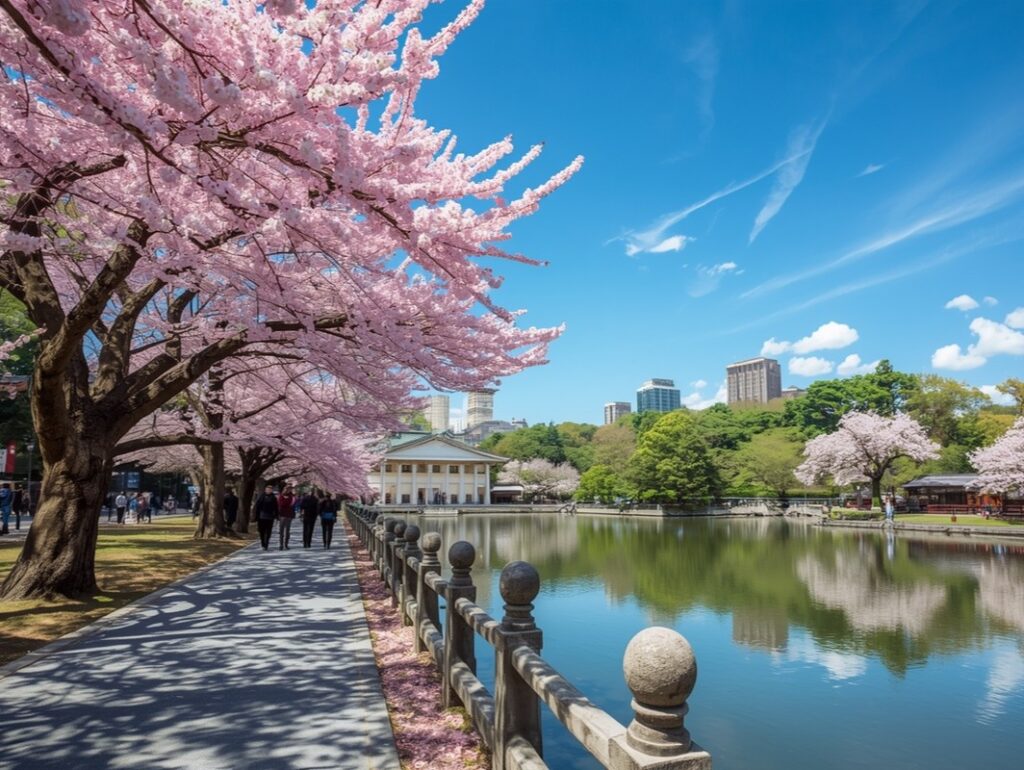
Mild temperatures ideal for walking. Enjoy cherry blossoms in nearby Ueno Park.

Summer

Expect high heat and humidity. Focus on indoor retailers during your akihabara tour.

Autumn

Cooler weather makes outdoor exploration comfortable. Excellent for evening neon lighting.

Winter

Cold temperatures but dry. Perfect for extended indoor shopping and gaming sessions.

Helpful tips for your visit to Akihabara

Small details that turn a good visit into a great one.

Avoid peak crowds

Visit on weekday mornings to experience the shops with fewer people.

Cash is king

Many smaller hobby shops only accept cash payments.

Use lockers

Store bags at the station to move through shops more easily.

Check opening hours

Most shops open by 10:00 and close by 20:00.

Stay on sidewalks

The main street is extremely busy with vehicular and pedestrian traffic.

Landmarks near Akihabara

Non-bookable sights within a short walk — free to visit, easy to pair.

Kanda Myojin Shrine

Kanda Myojin Shrine

10 min

Historic Shinto shrine with ties to anime culture

Ueno Park

Ueno Park

15 min

Expansive public park with museums and a zoo

Cancellation policy

Flexible, no hidden fees.

As this is a public district with 0 JPY entrance fee, no cancellation is required. Visitors may explore the area at their convenience.

Where to stay

Hotels & districts near Akihabara

Hand-picked options within walking distance — pick a district for vibe, or a specific hotel for convenience.

Akihabara District Hotels

district

Variety of business hotels near the station

Luxury Options

luxury

High-end accommodations in neighboring districts

Budget Hostels

budget

Affordable lodging options near the station

Akihabara Tour Through Tokyo's Electric Town
About

Akihabara Tour Through Tokyo's Electric Town

Following World War II, the area surrounding a prominent Chiyoda City rail junction evolved into a sprawling black market for vacuum tubes and radio components. This dense concentration of specialized vendors formed the foundation of Denki-gai, or Electric Town.

Read more

Decades later, a comprehensive Akihabara Tour reveals how those post-war electronic stalls transformed into a global nexus for otaku culture, retro gaming, and specialized hobbies. The neighborhood operates as an open-air commercial district requiring a 0 JPY entrance fee, allowing unfettered access to its multi-story retail complexes and narrow alleyways.

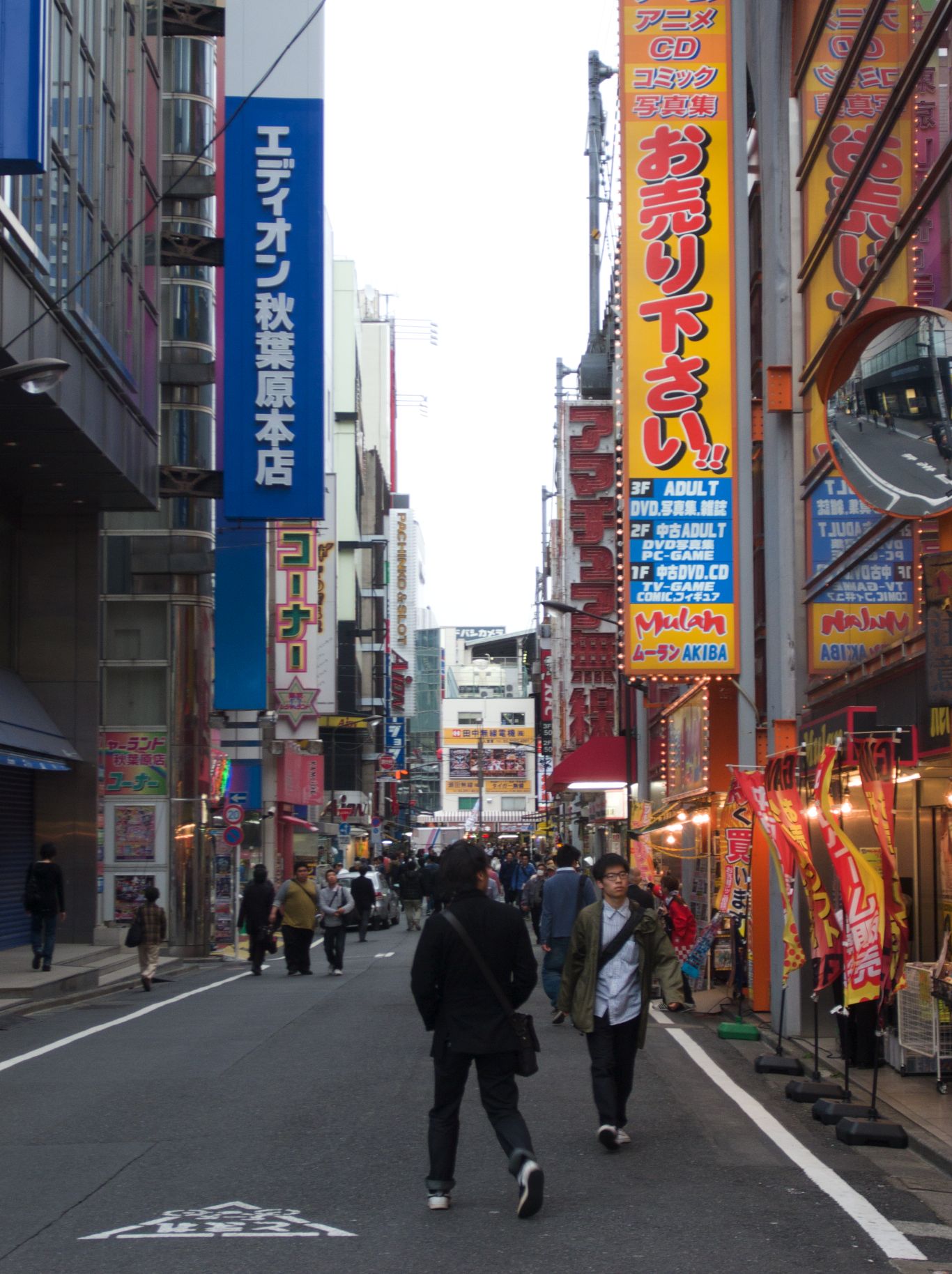
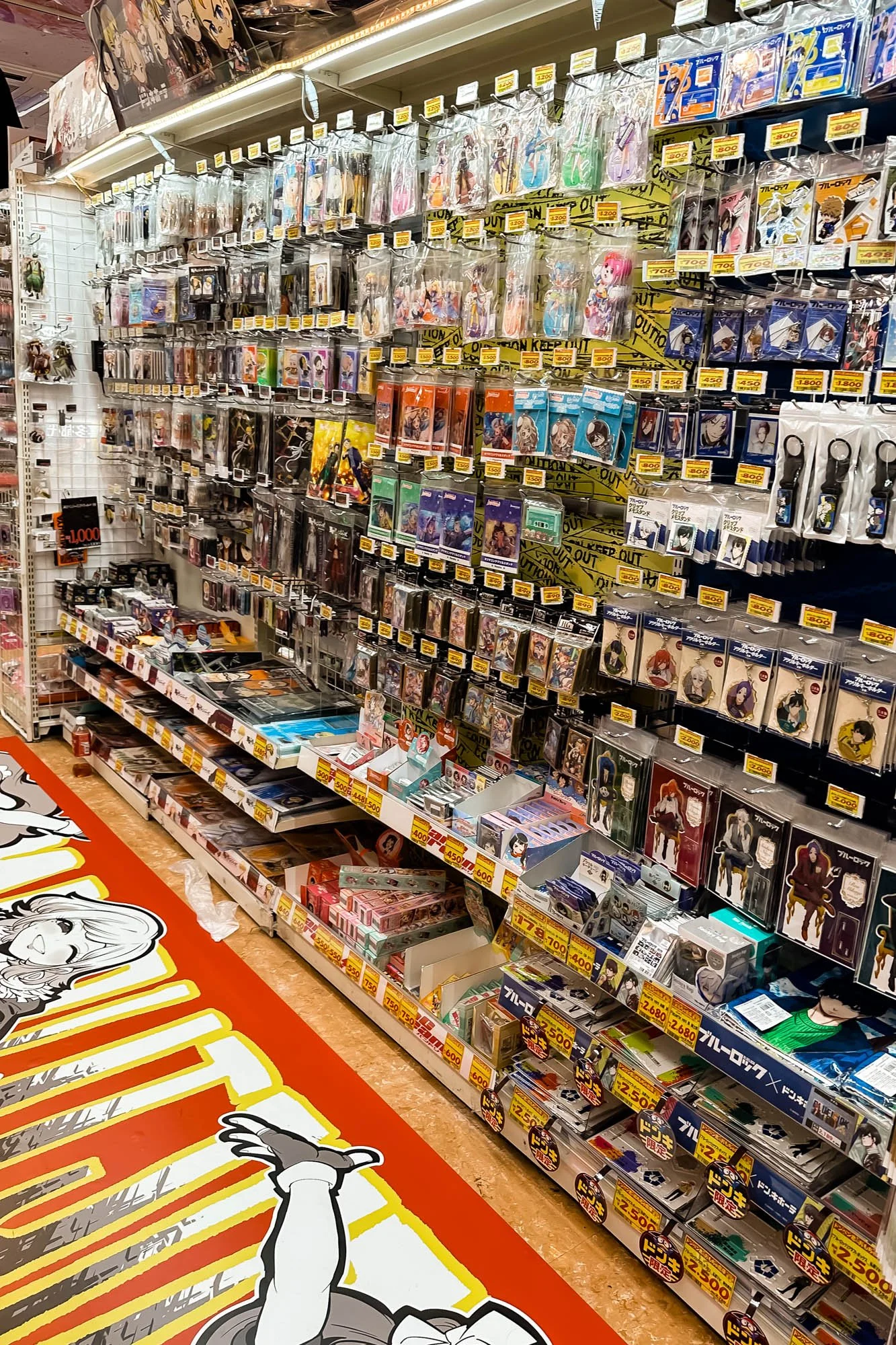
The architectural landscape of Chuo Dori, the district's main artery, reflects this persistent evolution. Buildings here do not conform to traditional commercial designs; rather, they function as vertical billboards. Facades are wrapped in massive anime illustrations and illuminated by dense arrays of neon signage. Inside enduring institutions like Radio Kaikan, visitors encounter a labyrinth of narrow aisles packed with vintage electronics, rare manga volumes, and collectible action figures. The sheer density of these establishments makes navigating the area complex, which is why consulting a detailed akihabara tourist map proves essential for locating specialized hidden shops situated on the upper floors of nondescript buildings.

Understanding the district requires looking beyond the immediate visual overload. The steady rise of akihabara tourism mirrors Japan's broader economic shifts, transitioning from hardware manufacturing dominance in the 1980s to the vigorous export of soft power and pop culture. In the late twentieth century, the introduction of widespread personal computing and early console gaming shifted the retail focus from raw electrical components to software, laying the groundwork for the modern visual novel and PC gaming scenes. Today, prominent akihabara tourist attractions range from colossal retailers carrying cutting-edge hardware to basement stalls selling discarded circuit boards, successfully preserving the neighborhood's original utilitarian spirit.

This continuous layering of commerce and fandom creates an environment where niche subcultures thrive in plain sight. Sidewalks remain perpetually active, and the local soundscape features a chaotic blend of synthesized arcade music, promotional street broadcasts, and pedestrian chatter. As international interest grows, the local infrastructure has adapted to accommodate changing demographics, with hybrid establishments like a specialized akihabara tourist hotel catering directly to enthusiasts seeking immersive stays. Securing an expert-led Akihabara Tour tour provides necessary historical context, bridging the gap between casual observation and a deep understanding of how this specific pocket of Tokyo became the undisputed capital of niche media and technology. A carefully structured Akihabara Tour ensures you grasp the profound cultural mechanics driving the ongoing evolution of Japan's most distinctive retail environment.

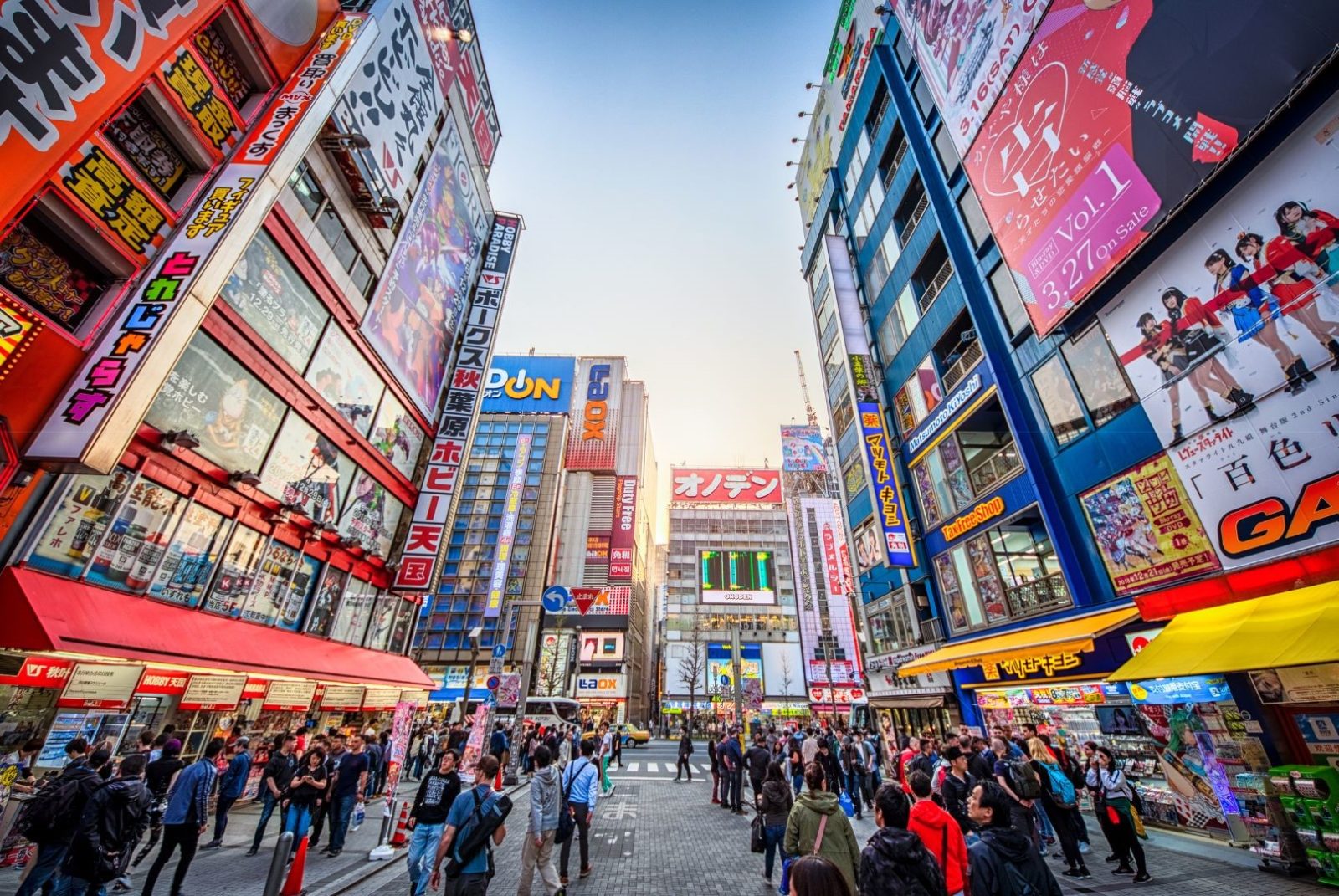
"The post-war black market for radio parts laid the copper-wire foundation for what would eventually become the global epicenter of Japanese pop culture."
Frequently asked

Frequently asked questions about akihabara tour tours

Is photography allowed during an akihabara tour?

Photography is allowed in public areas, though individual shops may restrict it during an akihabara tour.

Can I visit Akihabara with children?

Yes, the area is family-friendly with many arcades to enjoy during your akihabara tour.

Are food and drinks allowed?

Food is available in the district but should not be consumed inside retail stores during an akihabara tour.

Is the district wheelchair accessible?

Yes, the main streets are flat and most larger buildings have elevators for an akihabara tour.

Keep exploring

More Akihabara tours & experiences

Nearby cities & day trips
Ueno
5 min by train to park and museums