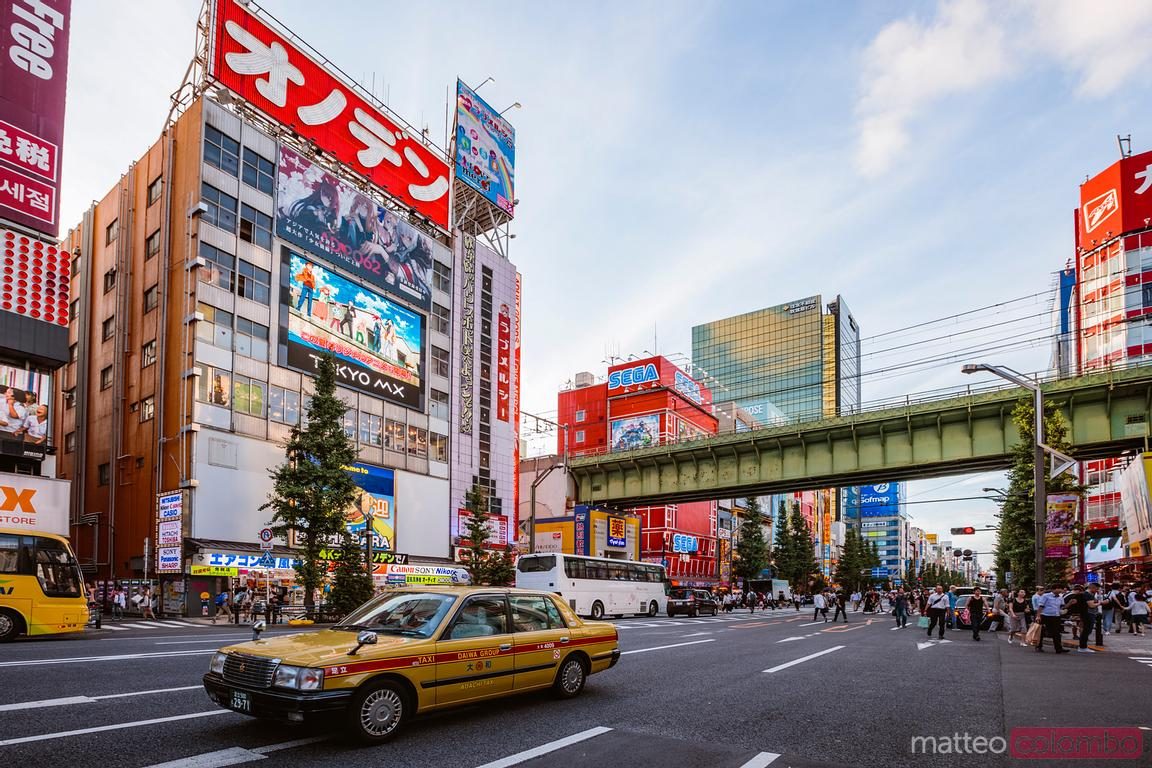
Akihabara Electric Town
12 min walk
The district serves as the contemporary counterpart to the shrine, showcasing the massive retail landscape of electronics and media culture.

Akihabara concentrates shrines, electronics mega-stores, and anime culture into a few walkable blocks in central Tokyo. This guide covers what to see, where the major sites sit, and how to navigate the district's layered appeal.
Quick answer
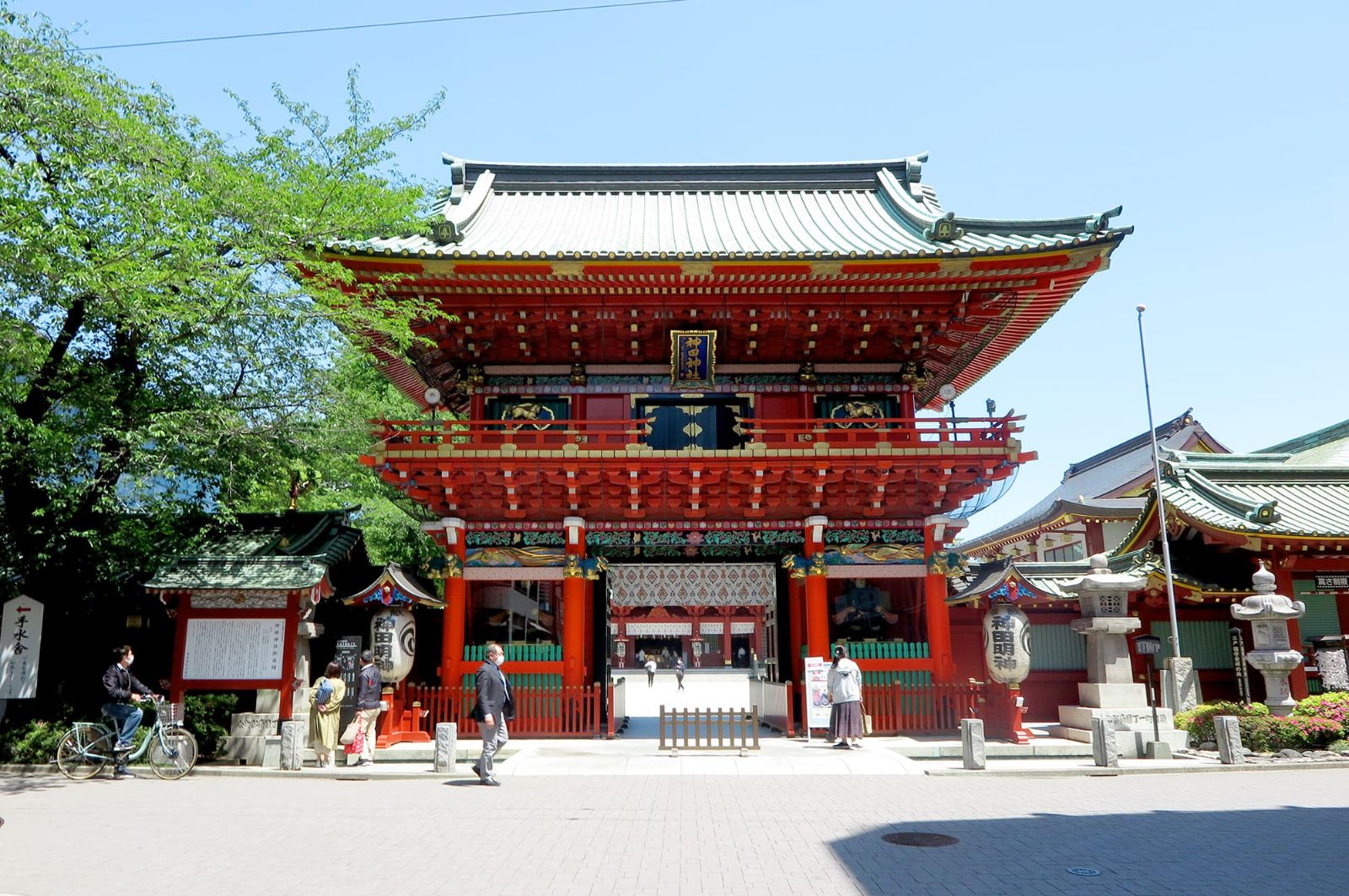
Akihabara tourist spots span Kanda Myojin Shrine (free entry, open 24 hours daily with office services 09:00–17:00), multi-floor electronics retailers like Yodobashi Akiba and Sofmap, anime specialty shops in Radio Kaikan, and themed maid cafés along Chuo-dori. The district operates year-round with most stores opening 10:00–20:00.
Kanda Myojin Shrine sits at the northern edge of Akihabara, a fifteen-hundred-year-old Shinto site that predates the electronics boom by centuries. The vermilion gates open onto shrine grounds accessible 24 hours daily, though the office offering amulets and prayers operates from 09:00 to 17:00. Visitors come for blessings tied to technology and business success, a modern overlay on ancient ritual. The electronics quarter stretches south from the shrine along Chuo-dori, where stores stack eight floors of components, cameras, and computers. Yodobashi Akiba anchors the western side with tax-free counters and English-speaking staff. Smaller shops in back alleys sell vintage game consoles, rare audio equipment, and parts for hobbyist builds. Sunday afternoons close Chuo-dori to cars, turning the main avenue into a pedestrian corridor. Anime and manga retail concentrates in Radio Kaikan, a ten-story tower opposite the station's Electric Town exit. Each floor targets a niche: figures and model kits on the lower levels, rare collectibles and doujinshi higher up. Neighboring streets hold themed cafés where staff in costume serve drinks with character art drawn in foam. The maid café phenomenon began here in the early 2000s and remains a district signature. Akihabara operates as a working commercial district, not a preserved heritage zone. Storefronts turn over, franchises rotate themes, and new builds replace older structures every few years. The concentration of interests—sacred sites, consumer electronics, subculture retail—creates a dense itinerary within a fifteen-minute walk. Visitors looking for Tokyo's electric town will find layers of history and commerce compressed into a compact grid navigable in an afternoon.
“Kanda Myojin Shrine predates the electronics boom by fifteen centuries, now blessing technology ventures alongside traditional prayers.”
The most effective time to explore Akihabara is during weekday mornings, which offer quieter streets before the dense afternoon and weekend influx. Visiting on weekdays allows for easier navigation of electronics retail spaces and specialized hobby shops.
—
Stores are less crowded, allowing for thorough browsing of inventory. This window avoids the peak afternoon rush and weekend pedestrian street closures.
—
Crowds increase significantly, particularly near the main station exit. Pedestrian-only zones are in effect, drawing large numbers of visitors to the central district.
Mild 15-20°C
These months offer comfortable temperatures for walking between retail blocks and nearby cultural sites. Spring and autumn avoid the extreme heat of summer and the frequent rain of the monsoon season.
Verdict: Tuesday to Thursday, arriving mid-morning, during the months of April or October.
Akihabara is a major transport hub in Tokyo, centrally served by multiple rail lines that provide direct access to the district's main electronics and anime shopping areas. The most convenient approach for travelers is to arrive by train at Akihabara Station.
JR Yamanote Line to Akihabara Station
JR Sobu Line to Akihabara Station
Tokyo Metro Hibiya Line to Akihabara Station
Tsukuba Express to Akihabara Station
Use the Electric Town Exit (Denki-gai) of Akihabara Station to reach the primary shopping districts immediately upon arrival. For those visiting Kanda Myojin Shrine, the best arrival window is 09:00–17:00 to ensure shrine office services are available.
Combining a visit to Kanda Myojin Shrine with the surrounding electronics district offers a balanced perspective on Tokyo, contrasting historical spiritual traditions with the modern technological evolution of the area. These locations provide context to the diverse cultural identity of Akihabara.
12 min walk
The district serves as the contemporary counterpart to the shrine, showcasing the massive retail landscape of electronics and media culture.
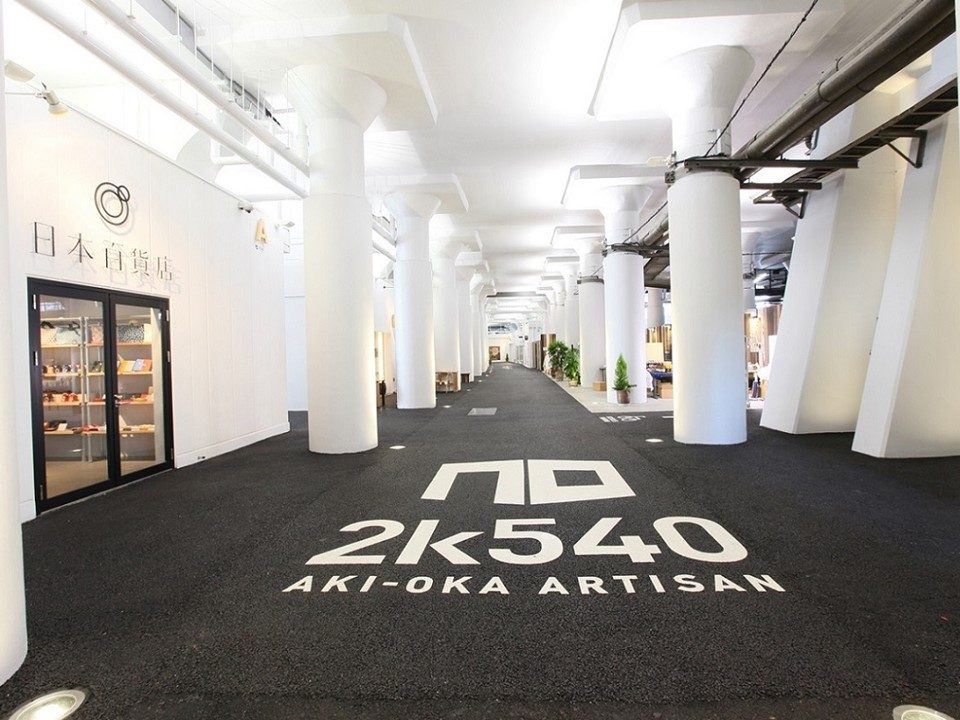
15 min walk
Located under the railway tracks, this artisan space provides a quieter, craft-focused experience that complements the high-energy atmosphere of nearby tech hubs.
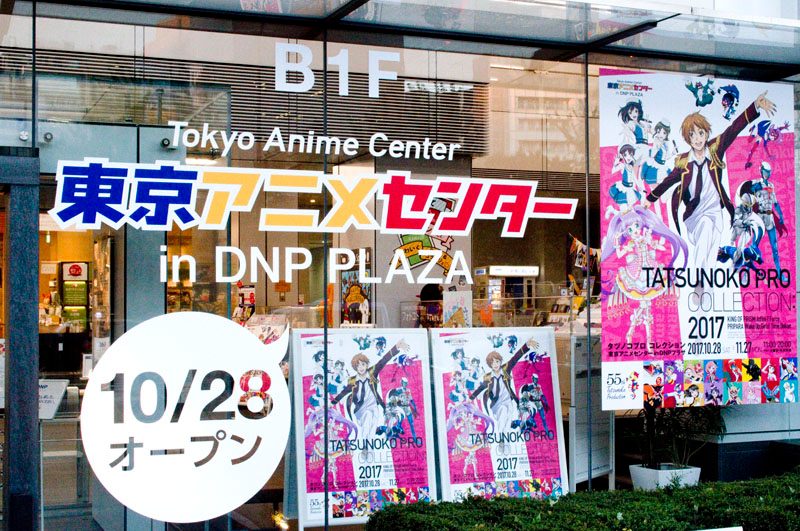
10 min walk
This facility offers curated exhibitions on animation history, providing deeper insight into the pop culture themes often celebrated at Kanda Myojin.
Navigating Akihabara effectively requires understanding local retail customs and preparation for its dense, fast-paced environment.
Many independent hobby stores and retro game boutiques do not accept credit cards or digital payments. Keep Japanese yen in various denominations to ensure smooth transactions.
Storage lockers at Akihabara Station fill quickly, and large luggage is difficult to manage in cramped multi-story shops. Travel light or use forward-shipping services to transport bags between hotels.
Foreign tourists can claim tax exemptions on purchases over 5,000 JPY at participating retailers. Always carry your original passport, as digital copies are generally not accepted for tax-free processing.
Counterfeit merchandise is rare but possible in smaller, independent stalls. Stick to established department stores or official brand retailers when purchasing expensive figures or electronics to ensure product authenticity.
If visiting during major new product launches, expect long queues that may begin before store opening times. Check official social media accounts for specific shop protocols regarding raffle systems or numbered tickets.
Everything you need to know about akihabara tourist spots
Entrance to the Kanda Myojin shrine grounds is 0 JPY, making it a budget-friendly option among akihabara tourist spots. Visitors can explore the sacred precinct without paying an admission fee.
The shrine grounds are open daily from 00:00 to 23:59, providing full access for your itinerary. This flexibility allows you to include it in your exploration of various Akihabara landmarks at any hour.
For optimal lighting for photography and access to shrine office services, the best arrival window is 09:00–17:00. Planning your visit to these akihabara tourist spots during these hours ensures you experience the site at its best.
Yes, the shrine is welcoming to families interested in Japanese history and architecture. It provides a peaceful contrast to the high-energy electronics shops often associated with akihabara tourist spots.
The site is located a short walk from major transit hubs in the district. Detailed directions and transport logistics can be found in our dedicated getting-there section.
The official address is 2-16-2 Sotokanda, Chiyoda-ku, Tokyo 101-0021, Japan. You can use this for your map applications when navigating to this historic site.
Yes, the shrine is open every day of the week, including Saturdays and Sundays, from 00:00 to 23:59. This availability makes it a convenient stop for any visitor traveling through the region.
Akihabara Tourist Map
Read more Tickets & toursFree Akihabara Tours
Read more Tickets & toursAkihabara Anime Tours
Read more Tickets & toursAkihabara Food Tours
Read more GuideTop Akihabara Tourist Attractions
Read more GuideIs Akihabara Worth Visiting?
Read more Tickets & toursAkihabara Walking Tours
Read more