
2 hr
Akihabara Anime, Manga & Maid Cafe Experience
Discover Tokyo's pop culture heart with an expert guide through anime shops, retro gaming stores, and a maid cafe.
Reserve
Hand-picked by our editors — only the best 5 experiences from 12 reviewed.
Verified partners for every tour, free cancellation where available, and instant confirmation on every booking.
2 hr
Discover Tokyo's pop culture heart with an expert guide through anime shops, retro gaming stores, and a maid cafe.
Reserve
2 hr
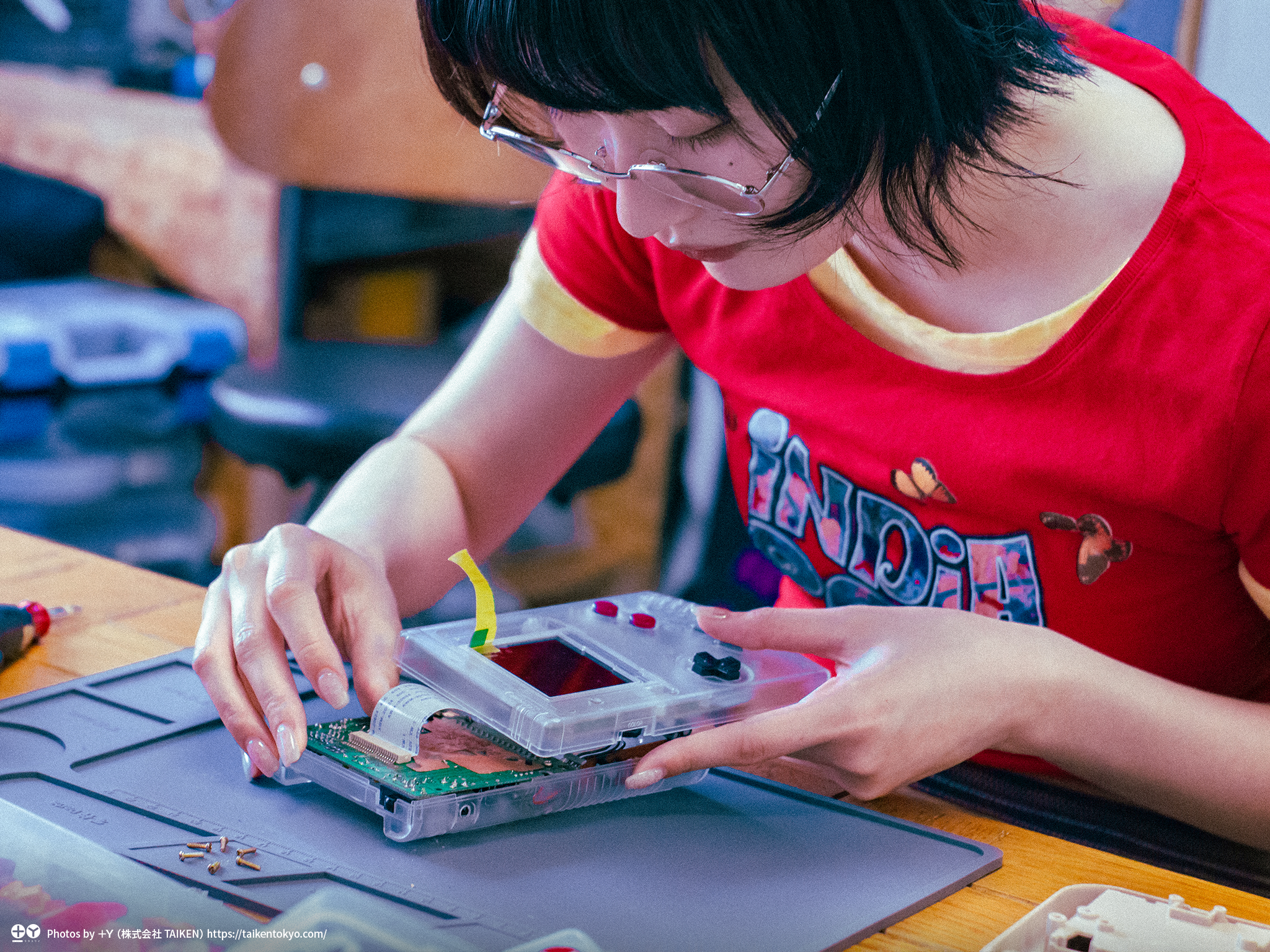
Build and customize your own retro Game Boy with expert guidance in Tokyo's electronics district.
Reserve
1 hr
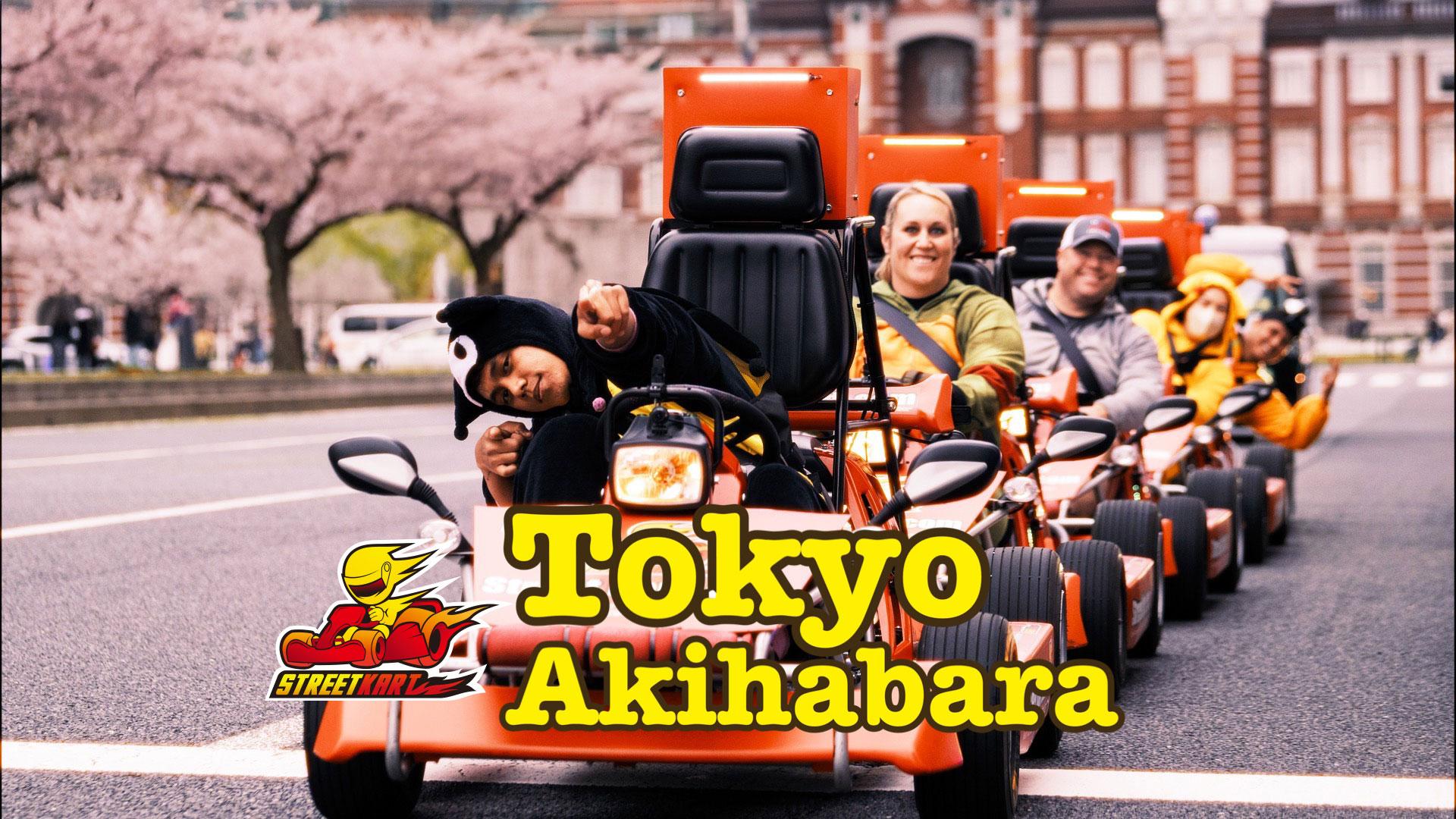
Suit up as your favorite anime hero and race go-karts through Tokyo's iconic streets.
ReservePrices from verified partners. Availability updates in real time at checkout. Free cancellation policies apply where shown.
The landmarks, rooms, and views travelers on this tour remember — all visible on a single visit.
Features ten floors of anime figures and trading cards with a history spanning decades.
This historic site serves as a spiritual protector for the district and electronic goods.
A destination for vintage video games, hosting thousands of classic titles from various eras.
Contains hundreds of capsule toy machines offering rare and unique collectibles.
These multi-story centers offer the latest rhythm and crane games in Tokyo.
They complement each other; most visitors who do both call the independent exploration more flexible, while the paid route provides superior context for the local otaku culture. Selecting an akihabara free tour grants you total autonomy to navigate the district of electronics, arcades, and retro gaming shops.
| Feature | Top pick Independent Exploration | Professional Guided Tours |
|---|---|---|
Customization Level |
Full control | Fixed itinerary |
Access to Hidden Spots |
Self-directed exploration | Curated backstreet entries |
Cost |
0 JPY | 4,500–12,000 JPY |
Language Support |
None | Multi-language options |
Group Size |
Individual or private | Small to medium groups |
Curated Insights |
Personal research | Expert narrative guidance |
| See tickets → |
Verdict: Opt for the akihabara free tour if you prioritize discovery at your own pace, or book the professional walk to access niche cultural commentary and akihabara free tour tickets to specialized venues.
Choose your ticket, select your date, and reserve in under two minutes. Secure checkout handled by our verified partner.
Instant confirmation by email, with a mobile voucher you can save offline. No printing, no queuing at a collection desk.
Arrive at the entrance, show your voucher on your phone, and walk in. Most tickets include priority or skip-the-line access.
Practical details for your visit straight from our verified partners — hours, access, rules, and how to get there.
1-17-6 Sotokanda, Chiyoda City
Central hub for any Akihabara walking tour.
Use the JR Yamanote, Keihin-Tohoku, or Sobu Lines to Akihabara Station.
Available to drop off at major intersections near the station.
Casual attire is recommended for your akihabara free tour, focusing on comfortable walking shoes. Modest clothing is appreciated when entering local shrines or traditional shops.
Keep personal belongings secure in crowded areas while participating in an akihabara free tour. Large luggage should be stored in lockers at Akihabara Station to facilitate movement through narrow aisles.
Photography is generally permitted in public areas, but always request permission before taking photos inside private shops or of individuals. Many arcades prohibit photography of their gaming equipment during an akihabara free tour.
Most main streets are flat and accessible for wheelchairs, though some older shops have small steps at the entrance. The public district offers wide sidewalks suitable for most visitors on an akihabara free tour.
Mobile phone use is expected for navigation, but please be mindful of others in busy crowds. Avoid talking on the phone while walking to ensure pedestrian safety.
The district provides an engaging atmosphere for families, though keep children close in crowded areas. Many arcades have age restrictions for certain gaming floors.
Numerous cafes and street food stalls are available throughout the area to support your akihabara free tour. Consumption of food while walking is generally discouraged in Japanese culture.
Pets are allowed in the public streets but are generally not permitted inside electronics stores or arcades. Ensure your pet is properly secured at all times.
Always maintain awareness of pedestrian traffic while navigating Tokyo landmarks. Your akihabara free tour guides can provide specific cultural context for local customs.
1-17-6 Sotokanda, Chiyoda City
Central hub for any Akihabara walking tour.
Get directionsBest time to go, insider tips, nearby landmarks, and the cancellation fine print — flip through to skim what matters to you.
How crowds, weather, and events shift across the year.
Mild temperatures make outdoor walking pleasant for Tokyo landmarks.
Expect high humidity; visit indoor shops to stay cool.
Comfortable weather ideal for extended outdoor exploration.
Crisp air and fewer crowds compared to warmer months.
Small details that turn a good visit into a great one.
Most larger retail stores open around 10:00 or 11:00 despite the district being open 24h.
Weekdays offer a more relaxed pace for your Akihabara walking tour.
Free up your hands by storing large bags at the station immediately.
Always check for 'no photo' signs inside specialized shops.
Some of the best deals are found in smaller buildings away from the main road.
Non-bookable sights within a short walk — free to visit, easy to pair.
Historic shrine known for blessing electronic devices.
Refurbished bridge featuring unique brick architecture.
Dedicated space for showcasing anime industry history.
Flexible, no hidden fees.
As this is a public district, there are no tickets to cancel. Participants of any akihabara free tour should confirm specific operator terms.
Hand-picked options within walking distance — pick a district for vibe, or a specific hotel for convenience.
Convenient location near the station.
Modern design with easy access to main streets.
Reliable option for cost-conscious travelers.
Various options from hostels to luxury hotels.
Tokyo's Akihabara district transformed from a post-war black market hub into the world's densest concentration of electronics retailers by the 1980s, earning its Electric Town nickname when over 500 shops lined a five-block radius. The district's second metamorphosis began in the late 1990s when manga publishers and anime studios colonized upper floors above the transistor vendors, creating a vertical otaku economy that now generates ¥400 billion annually. Today Akihabara spans 25 city blocks straddling Chiyoda and Taito wards, its arteries pulsing with 100,000 daily visitors who navigate six-story anime megastores, capsule-toy arcades, and themed cafes where staff perform scripted rituals. The concentration of subculture retail remains unmatched globally. Mandarake Complex occupies eight floors of vintage manga and collectible figures dating to the 1960s. Super Potato's four-story retro game archive stocks 30,000 Famicom and Game Boy cartridges alongside working arcade cabinets from 1978. Radio Kaikan, rebuilt in 2014, houses 36 specialist vendors across ten floors, from garage-kit sculptors to doujinshi publishers operating on 72-hour print cycles. The district's maid cafes, numbering over 200 licensed establishments as of 2026, operate under strict service protocols where performers never break character during 90-minute sessions. Akihabara's street grid functions as a living museum of Japanese consumer electronics evolution. Chuo Dori, the district's main artery, closes to vehicles every Sunday, transforming into a pedestrian corridor flanked by LED billboards broadcasting anime trailers in 4K resolution. Side alleys preserve older retail models: cramped stalls selling vacuum tubes and Soviet-era transistors coexist with pop-up stores promoting that season's light novel adaptations. The Akihabara free tour tours navigate this layered geography, guiding visitors through the encoded retail language where color-coded banners signal adult content floors and English-speaking staff. The district's commercial density creates a microclimate where August temperatures run 2°C hotter than surrounding Tokyo wards due to server heat from internet cafes and the thermal output of 50,000 simultaneous LED displays. Akihabara Station, serving five rail lines, processes 450,000 passengers daily through its Electric Town Exit, disgorging crowds into a sensory envelope of J-pop loops, promotional flyer distribution, and the mechanical chime of UFO catcher arcades operating 24-hour cycles.
"The district's commercial density creates a microclimate where August temperatures run 2°C hotter than surrounding Tokyo wards due to server heat from internet cafes and the thermal output of 50,000 simultaneous LED displays."
A step-by-step walkthrough of the visit — what you'll see, how long each stage takes, and the details that matter.
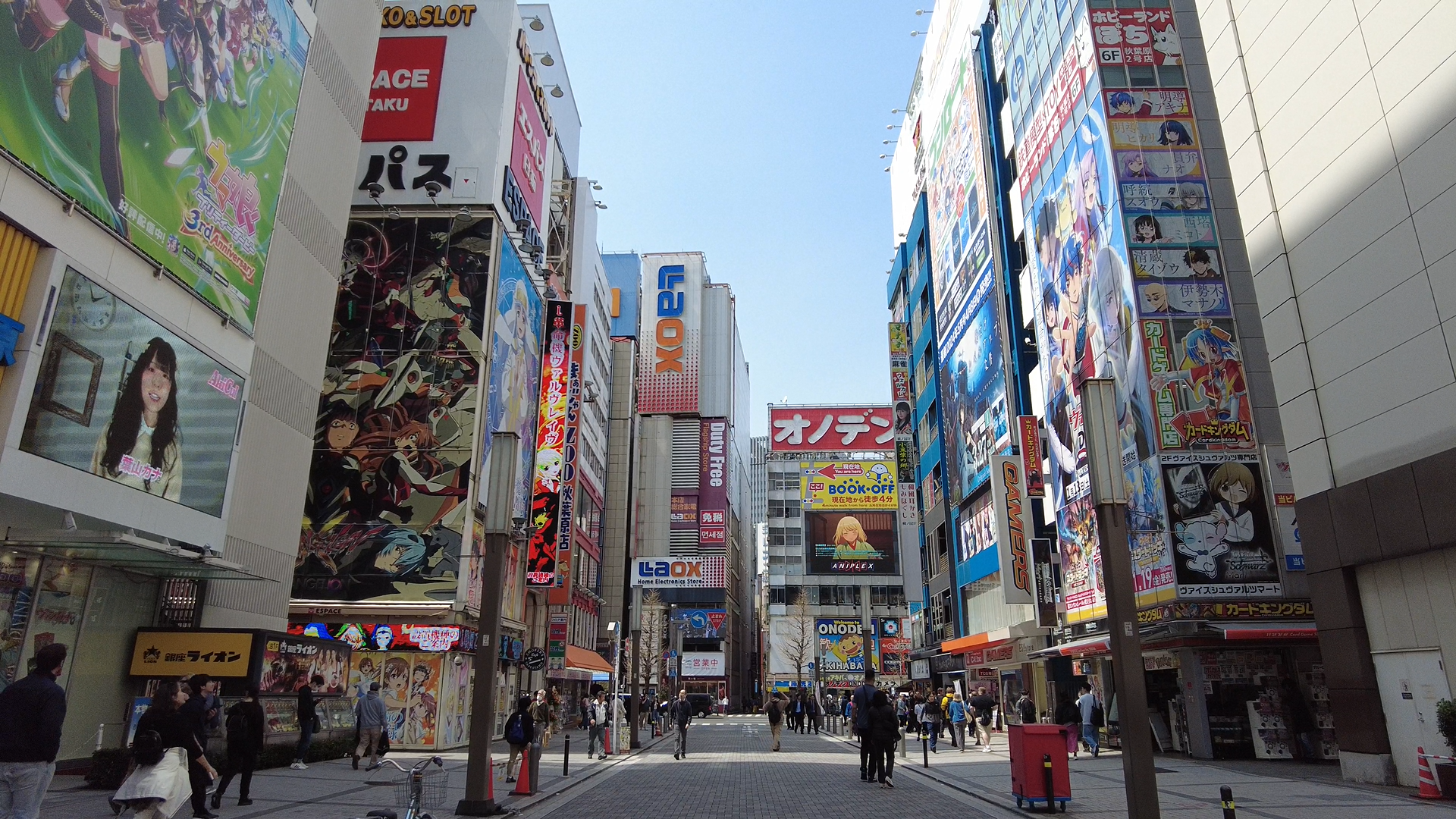
You emerge from Akihabara Station's Electric Town Exit into a canyon of neon signage, where six-story video walls loop anime trailers and cosplay performers distribute flyers for maid cafes. Your guide leads you down Chuo Dori, pausing outside Radio Kaikan to explain the building's role as ground zero for the garage-kit sculptor movement. You ascend to the third floor, navigating narrow aisles where glass cases display hand-painted figurines priced at ¥180,000. The route cuts through a side alley where older vendors sell loose resistors and Soviet-era vacuum tubes from plywood stalls. You enter a seven-story anime megastore, riding escalators past floors dedicated to specific franchises: Gundam model kits on three, idol merchandise on five, adult titles behind coded curtains on seven. Your guide explains the color taxonomy that signals content ratings without roman script. You descend to a basement arcade where analog cabinets from 1982 still accept ¥100 coins. The air smells of cigarette residue and hot solder. You try a round of Space Invaders on original hardware before exiting onto a pedestrian alley lined with capsule-toy machines, their glass globes filled with miniature vending-machine replicas and anatomically correct animal figures. The walk concludes at a maid cafe threshold, where your guide demonstrates the entrance protocol: bell ring, scripted greeting, no photography of staff without signed consent forms.
The district is open 00:00–23:59 daily, though we recommend daytime for your akihabara free tour.
Yes, the district is largely flat and suitable for visitors on an akihabara free tour.
No, there is a 0 JPY entrance fee as this is a public district in Tokyo.
Bring comfortable walking shoes and a power bank for your akihabara free tour.
Check the live tour grid to book your preferred akihabara free tour slot.
Photography is permitted in public areas, but ask before filming on an akihabara free tour.
Yes, families are welcome, but be mindful of age-restricted areas during your akihabara free tour.
Yes, numerous cafes and food stalls are available throughout the area during your akihabara free tour.
Use station coin lockers for luggage to ensure an easy akihabara free tour.
Take the JR train to Akihabara Station to begin your akihabara free tour.