Akihabara Tour
Maps & Orientation

Akihabara Tourist Map

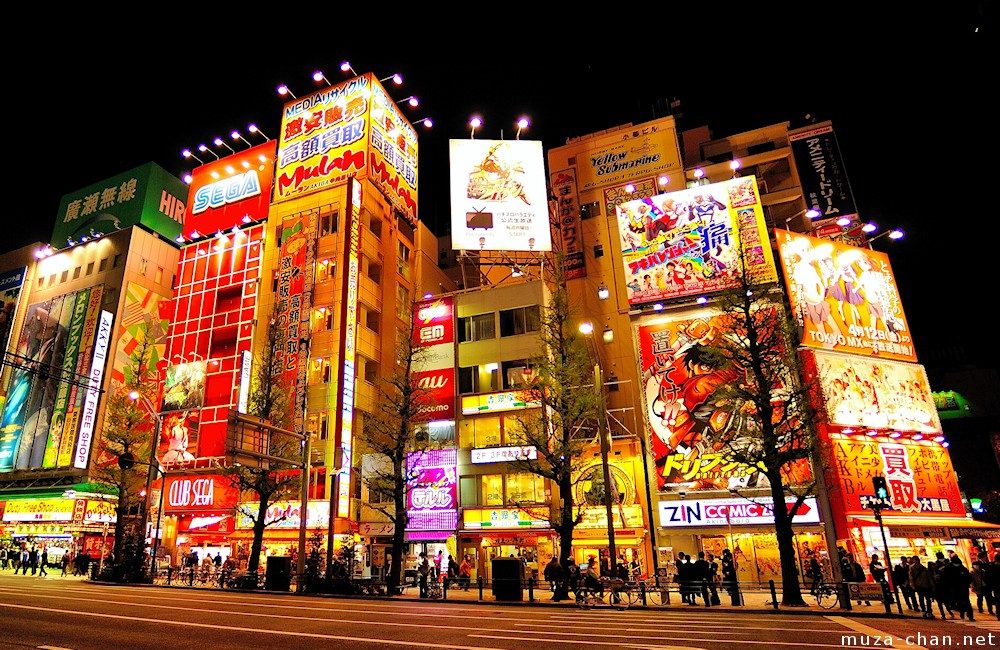
Most first-timers arrive expecting one street of neon and meet a dense vertical grid instead: electronics on the ground floor, retro games on the fourth, a café on the seventh. This Akihabara tourist map guide explains how the district is actually organised — the spine, the side lanes, the viaduct arches — so the layout makes sense before the walking starts.

8 min read Updated 2026-10-01 Fact-checked
Akihabara Tourist Map

Quick answer

Akihabara reads as one spine plus branches: Chuo-dori runs north from the station's Electric Town exit toward Suehirocho, and nearly everything else hangs off it. Street access is free, 0 JPY, and the district stays open 00:00–23:59 daily. The caveat is vertical — shops stack several floors deep, so a flat map only gets you to the door. Plan to read building directories as well as street names.

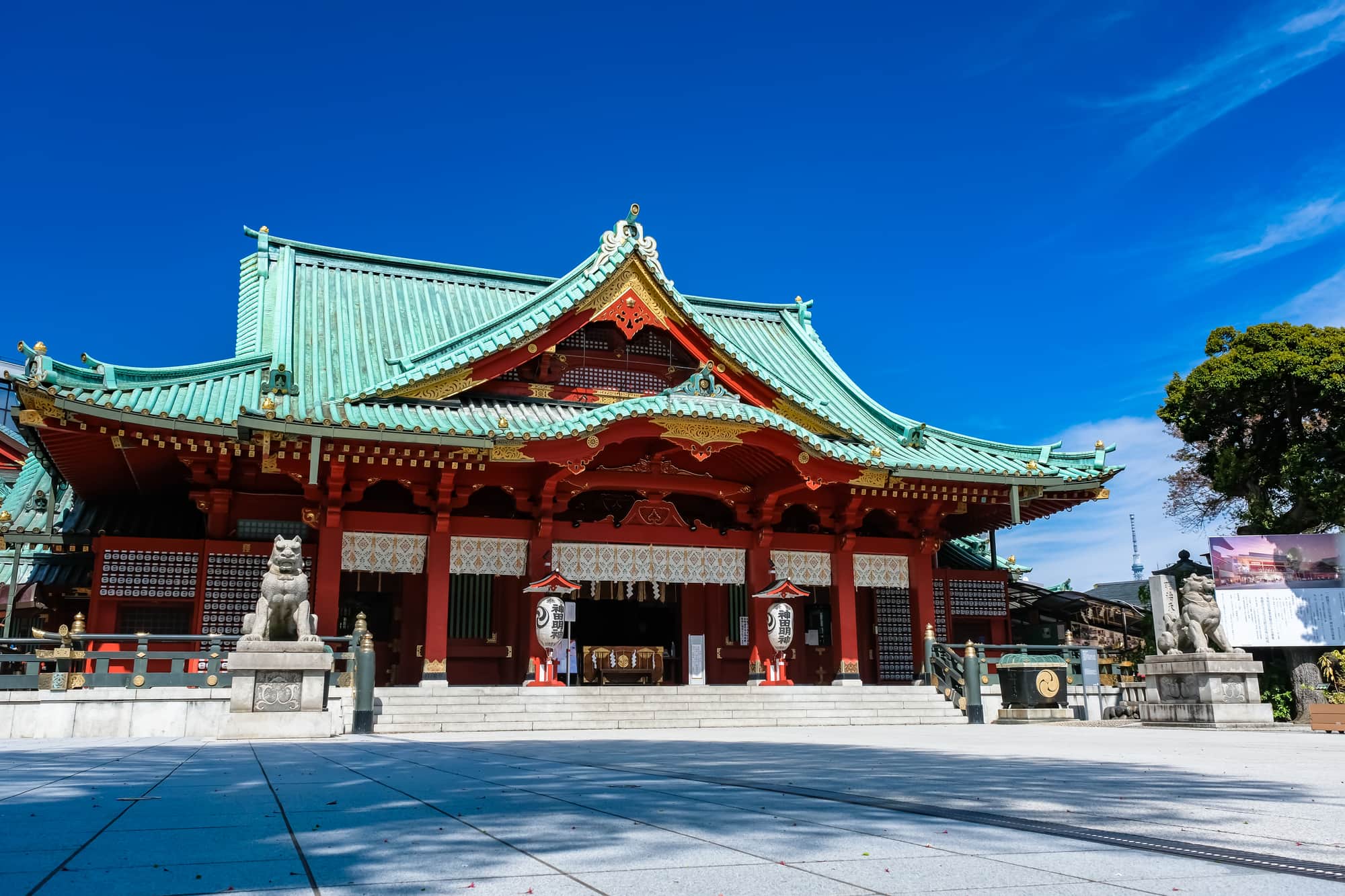
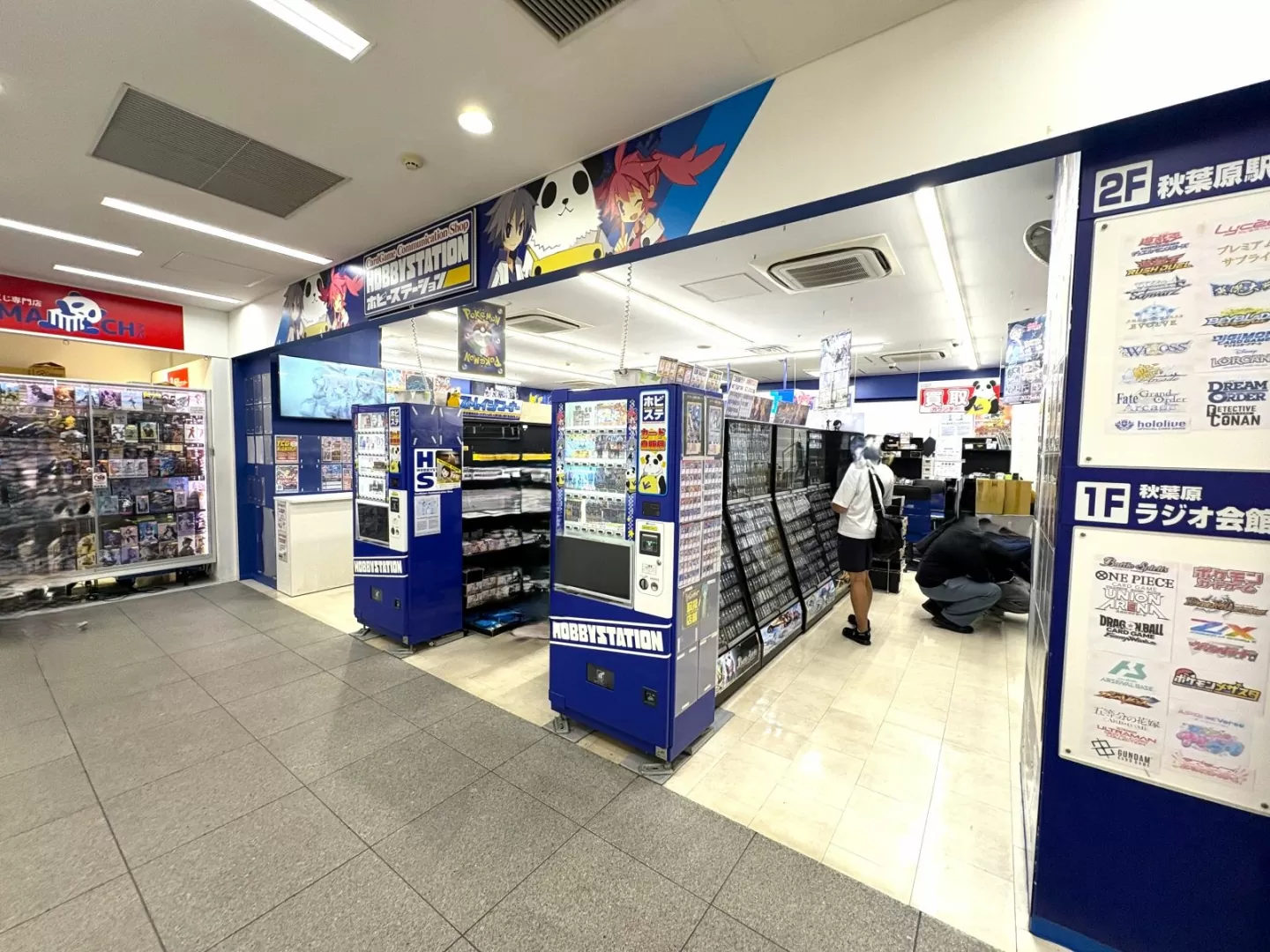
Akihabara is named after a fire. After the blaze of 1869 cleared this corner of Edo, a shrine to the fire-quelling deity Akiba was raised on the open ground, and locals called the place Akibagahara. The shrine moved on; the name stayed. That history explains why no single building anchors the quarter, and why most visitors start with an akihabara tourist map rather than an address. The official postal line — Sotokanda, Chiyoda City — covers a grid of blocks, not a landmark. Read the district in three bands. Chuo-dori is the spine, running north from the station toward Suehirocho, lined with duty-free electronics floors, gachapon halls and the hobby towers that replaced the radio trade. Under the JR viaduct sit the survivors of that trade: the Radio Center's parts stalls, still wired into the arches, and further west the brick arcade of mAAch ecute in the old Manseibashi station. East of the tracks the blocks turn broader and newer, with the Kanda River edging the quarter. Up the slope to the northwest stands Kanda Myojin, a shrine that now sells circuit-board amulets to the IT trade — a useful reminder that a Tokyo landmarks walk and an Electric Town crawl overlap here. The hard part is vertical. Retailers here stack: a ground-floor arcade, trading-card tables two floors up, a figure dealer above that, a themed café near the roof. Street-level maps cannot show it, so building directories in the lobby do the real work — look for the floor board before entering, and note that signage is often Japanese-first. A 秋葉原 観光マップ picked up at a shop counter will usually mark the same anchors as an English handout, with better detail on the arcades. Sundays usually change the geometry: Chuo-dori closes to cars through the afternoon and the roadway fills with pedestrians, which makes the north–south walk faster and the crossings slower. Autumn weekends in particular pull crowds toward the central blocks. Treat any akihabara tourist map as a frame rather than an itinerary — mark three or four anchors, keep the station's Electric Town side as the reset point, and let the backstreets fill the gaps.

“Street-level maps cannot show a district that grows upward.”
Timing

Optimal Timing for Your Akihabara Tourist Map Visit

The best arrival window is 10:00–18:00, as most shops open by 10:00 and the district is best experienced during daylight hours. While the area maintains 24/7 availability, planning your visit within this timeframe ensures full access to retail and entertainment venues.

Spring (March–May)

Moderate crowds

Mild, 12°C–23°C; pleasant for walking.

Ideal weather for exploring the district on foot.

Autumn (September–November)

Moderate to high

Cool, 15°C–22°C; comfortable outdoor conditions.

Stable temperatures make this a comfortable period for navigation.

Weekday mornings

Light to moderate

—

Arriving early helps you avoid the heavier foot traffic found on weekends.

Verdict: The optimal time to visit is Tuesday to Thursday between 10:00 and 18:00 during the months of April or October.

Opening hours

Akihabara Tourist Map: Weekly Operational Schedule

The Akihabara district remains accessible 24 hours a day, seven days a week, as it is a public area. Please note that individual shops, arcades, and attractions operate according to their own specific schedules.

Monday
00:00–23:59
Public access
Tuesday
00:00–23:59
Public access
Wednesday
00:00–23:59
Public access
Thursday
00:00–23:59
Public access
Friday
00:00–23:59
Public access
Saturday
00:00–23:59
Public access
Sunday
00:00–23:59
Public access
As a public district, there is no last entry requirement, though individual businesses set their own closing times.
Directions

Navigating to Akihabara: Your Akihabara Tourist Map Arrival Guide

Akihabara is located in the Sotokanda district of Chiyoda City and is highly accessible via multiple major rail networks. The most straightforward approach is by train to Akihabara Station, which serves as a central hub for the area.

Train Varies by origin —

JR Yamanote Line to Akihabara Station

Metro Varies by origin —

Tokyo Metro Hibiya Line to Akihabara Station

Train Varies by origin —

Tsukuba Express to Akihabara Station

Train Varies by origin —

JR Sobu Line to Akihabara Station

Use the Electric Town Exit at Akihabara Station to emerge directly into the heart of the district. Aim to arrive between 10:00 and 18:00 to ensure most shops are open for your visit.

What to see

Zones and Districts on the Akihabara Tourist Map

The Akihabara district consists of concentrated zones dedicated to consumer electronics, gaming culture, and hobbyist collectibles. Navigating the area involves exploring high-rise retail buildings and specialized side-street shops.

Radio Kaikan

Radio Kaikan

A multi-story commercial building featuring various shops specializing in anime figures, trading cards, and hobby goods. It remains a central hub for collector items near the station.

Visit the upper floors first to avoid ground-level congestion.
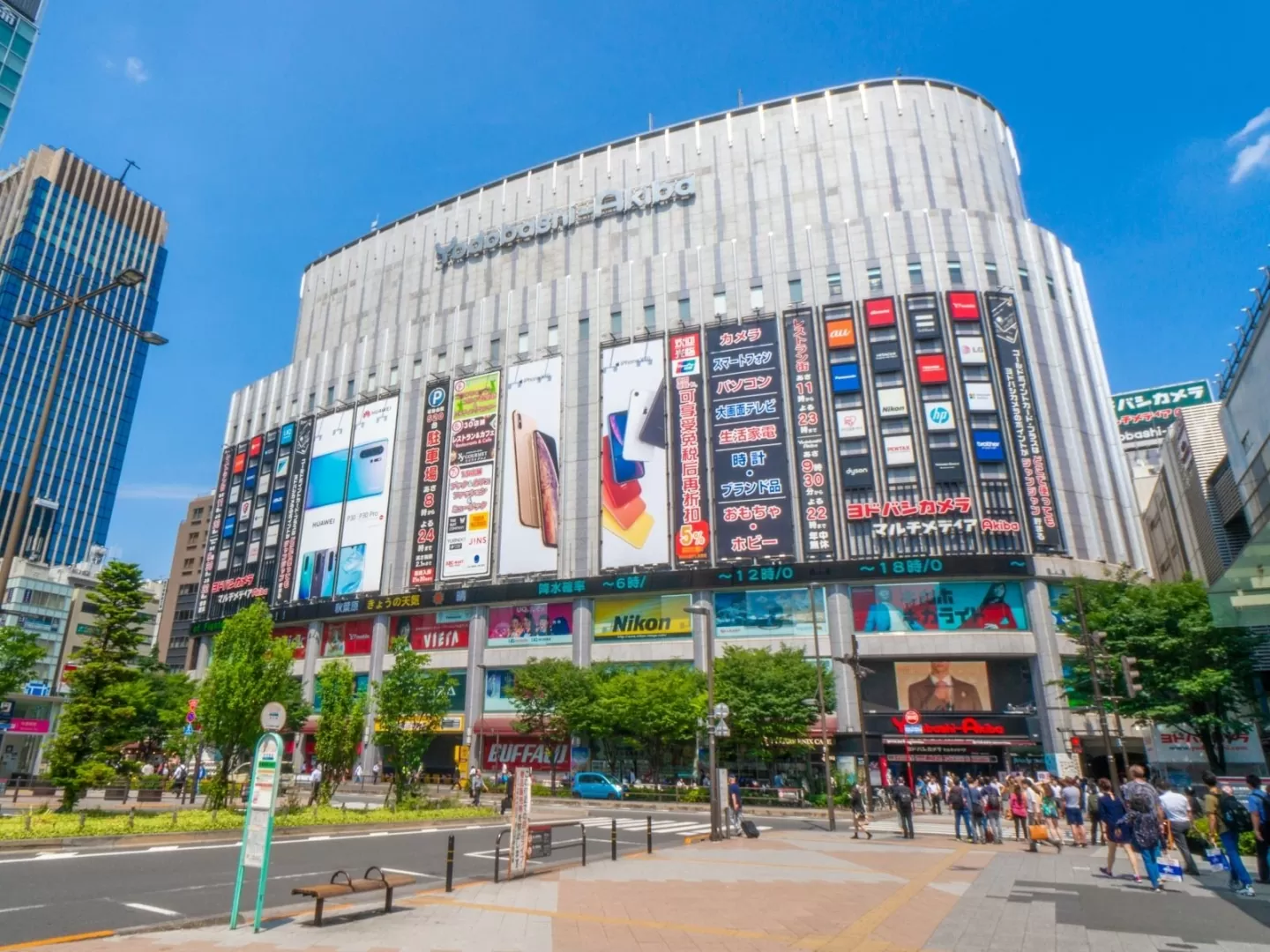
Yodobashi Camera Multimedia Akihabara

Yodobashi Camera Multimedia Akihabara

One of the largest electronics retailers in the district, housing extensive selections of cameras, computers, and home appliances across several floors. The facility serves as a primary reference point for electronics shopping.

Check the top floor for specialized hobby sections and dining options.

Super Potato

Super Potato

A destination focused on retro video games, consoles, and hardware from previous generations. The store maintains a nostalgic atmosphere with displays of vintage gaming equipment.

Look for the narrow staircase leading to the retro arcade area.

Animate Akihabara

Animate Akihabara

A prominent retail location providing a wide array of anime, manga, and character-related merchandise. It serves as a major information point for current pop culture trends.

Browse the seasonal exhibit space often found on lower levels.

Nearby

Extending Your Akihabara Tourist Map Experience

Akihabara sits in a central location, making it easy to combine with historical and cultural hubs nearby. These districts offer a quieter contrast to the intensity of the electronics and gaming centers.

Kanda Shrine

Kanda Shrine

10 min walk

This historic shrine provides a serene atmosphere and contrasts with the modern technology district nearby.

Ueno Park

Ueno Park

20 min walk

Home to several major museums and a large zoo, this park is a natural extension for those seeking green space and history.

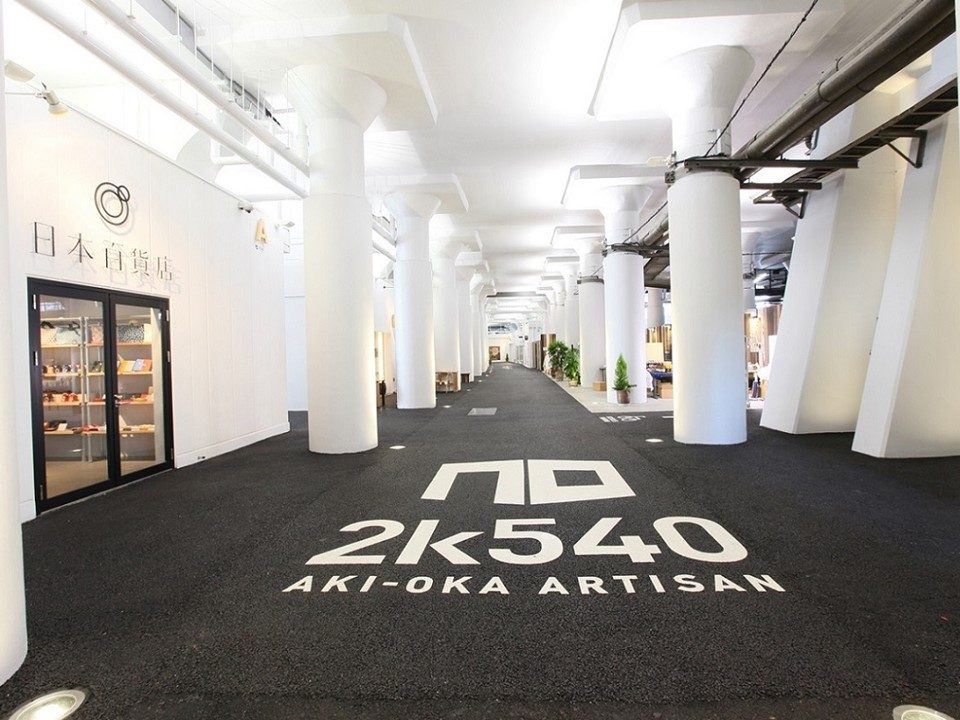
2k540 Aki-Oka Artisan

2k540 Aki-Oka Artisan

5 min walk

Located under the railway tracks, this space focuses on high-quality crafts and design, complementing the consumer electronics found in Akihabara.

Book

Check availability

Frequently asked

Frequently Asked Questions About the Akihabara Tourist Map

Everything you need to know about akihabara tourist map

How can I use an akihabara tourist map to navigate the district?

An akihabara tourist map helps you locate major electronics retailers, anime shops, and maid cafes efficiently. You can use these guides to plot a route between the busy main street and quieter side alleys.

Is there a cost for an akihabara tourist map or entry to the area?

There is no charge for general entry to the district, as the entrance fee is 0 JPY. While individual shops and attractions charge separately, the public areas remain open for visitors.

What is the best time to explore using an akihabara tourist map?

The best arrival window is 10:00–18:00 when most shops are open and the streets are active. Using an akihabara tourist map during these daylight hours ensures you can see storefront displays clearly.

Are there guided Akihabara walking tours available?

Yes, many visitors prefer a guided Akihabara sightseeing tour to learn about the history of Electric Town. These tours often highlight hidden gems that might not appear on a standard printed map.

What should I look for on my Akihabara district guide?

When reviewing your guide, look for landmarks such as the major radio centers, gaming arcades, and collector-focused hobby shops. These locations often serve as the main anchors for navigating the dense urban environment.

Can I visit the area at any time with an akihabara tourist map?

The area is technically accessible 24 hours a day, as opening hours are Monday to Sunday 00:00–23:59. However, most commercial activity occurs during the day, so plan your transit accordingly.

Keep reading

More guides & pages