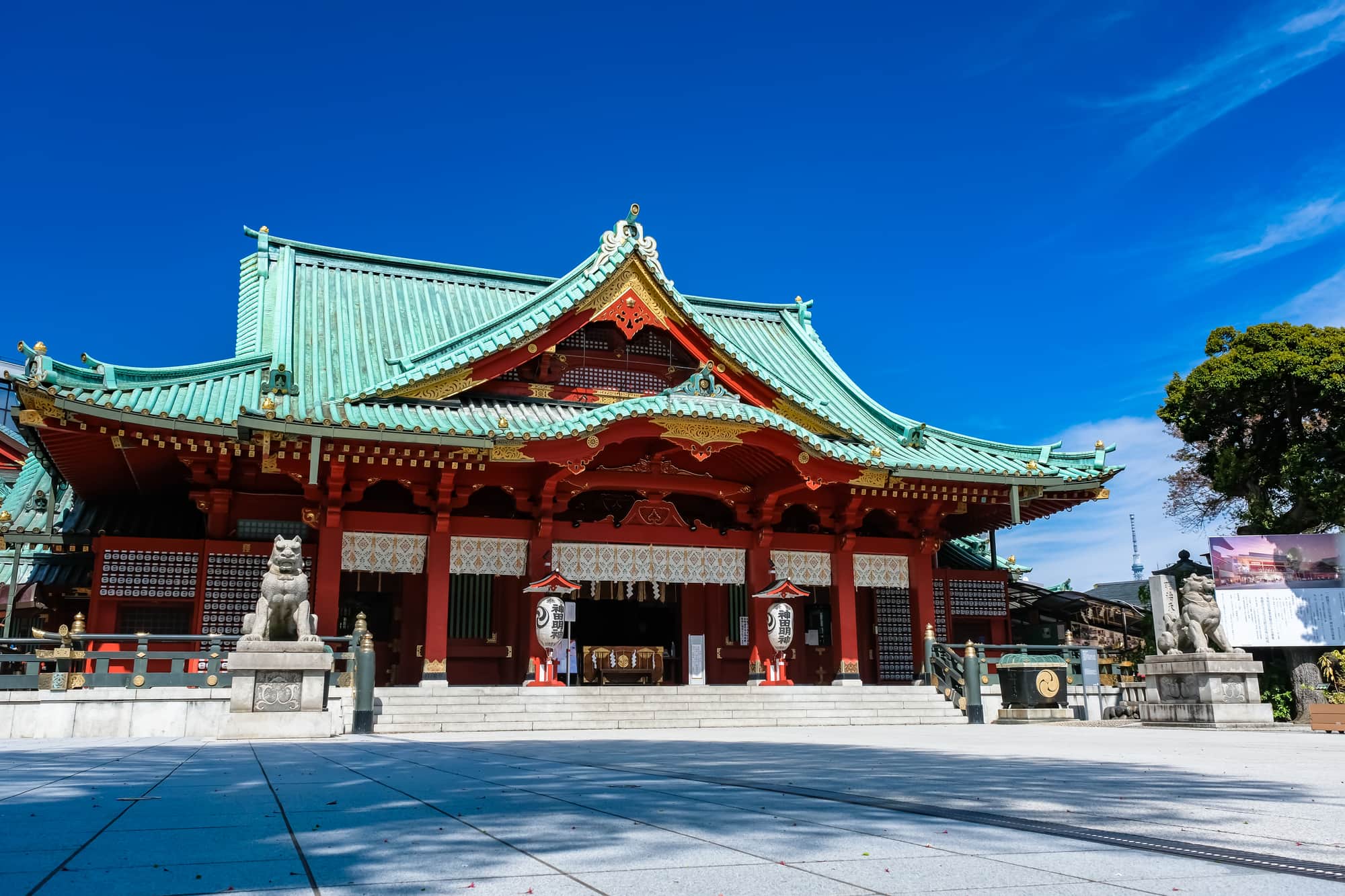
Kanda Myojin Shrine
10 min walk
This historic Shinto shrine offers a serene escape and has long been a protector of the surrounding area, making it a natural cultural counterpart to modern Akihabara.

Akihabara is less a single sight than a stack of them — eight-storey specialty buildings where each floor is a separate shop. This akihabara tourist attractions guide starts at the district's landmark anchor, Akihabara Radio Kaikan at 1-15-16 Sotokanda, and works outward. You will learn what is inside, what it costs to walk in, and which hours actually matter.

Quick answer
Entry to the district's anchor building, Akihabara Radio Kaikan, is free — 0 JPY — and its retail floors run 10:00–20:00 every day of the week, Monday through Sunday. The practical caveat is crowding rather than closure: the recommended arrival window is 10:00–19:00, which avoids weekend afternoon congestion and ensures all retail specialty floors are open.
Akihabara Radio Kaikan was the first high-rise retail building in Japan dedicated to electronics, and it has stood at the Denkigai exit of Akihabara Station since 1962 — long enough that its original tenants sold vacuum tubes to radio hobbyists rather than figures to collectors. That lineage explains the shape of today's akihabara tourist attractions: the draw is not a monument with a queue but a vertical arcade of independent specialists, each occupying a few dozen square metres of a shared tower. Visitors arriving from Tokyo Station on the Yamanote or Keihin-Tōhoku Line step out into Electric Town, the nickname the district earned in the post-war radio-parts market under the railway viaduct. Radio Kaikan sits immediately outside the Denkigai exit at 1-15-16 Sotokanda, Chiyoda City, and functions as the orientation point most Akihabara landmarks are described against. Inside, floors are themed rather than departmentalised — trading-card dealers, scale-model and gunpla stockists, dollhouse and Dollfie boutiques, vintage game cartridges, rare manga, and glass cases of secondhand figures. Elsewhere in the district the same logic repeats across multi-storey arcades, maid cafés, retro game shops along Chuo-dori, and the pedestrianised Sunday street closures. A walking Akihabara tour therefore rewards patience with lifts and stairwells more than distance covered. Treat the district as a browsing problem, not a ticketing one. Because almost nothing here charges admission, the planning variable is foot traffic: Chuo-dori and the narrow upper-floor aisles compress badly on weekend afternoons, and the specialist shops with a single staff member are where that is felt most. Weekday mornings move freely; late afternoon suits photographing the neon frontage along the viaduct. Most visitors spend two to four hours before fatigue sets in, which is roughly one anchor building plus two side streets. Anyone building a half-day itinerary around akihabara tourist attractions should anchor it to a single tower, then fan out on foot rather than hopping stations. Verify floor directories on the official site before travelling, since tenants rotate frequently and a specific shop may have moved up two floors or out of the building entirely. Arriving with one target category — cards, models, retro hardware — turns an overwhelming grid of Akihabara sightseeing spots into a manageable, well-paced afternoon in Chiyoda.
“The draw is not a monument with a queue but a vertical arcade of independent specialists.”
The best arrival window is 10:00–19:00, which allows visitors to avoid weekend afternoon congestion while ensuring all specialty electronics and hobby floors remain fully operational. Planning your visit during these hours optimizes your time among the diverse retail shops.
—
Shops are quiet and accessible for browsing during this period.
—
Streets and retail floors experience peak density during these hours.
Mild, 12°C to 20°C
Spring and autumn offer comfortable walking temperatures for exploring the district on foot.
Verdict: The most effective strategy is visiting on a weekday between 10:00 and 19:00, ideally during the moderate climate of April or October.
Major Akihabara landmarks like Akihabara Radio Kaikan maintain consistent daily operating hours throughout the week. Visitors can access these facilities during the scheduled times provided below.
Complement your visit to the electronics district by exploring cultural and historical landmarks located within comfortable walking distance. These sites offer a quieter atmosphere that contrasts with the fast-paced energy of the central retail areas.
10 min walk
This historic Shinto shrine offers a serene escape and has long been a protector of the surrounding area, making it a natural cultural counterpart to modern Akihabara.
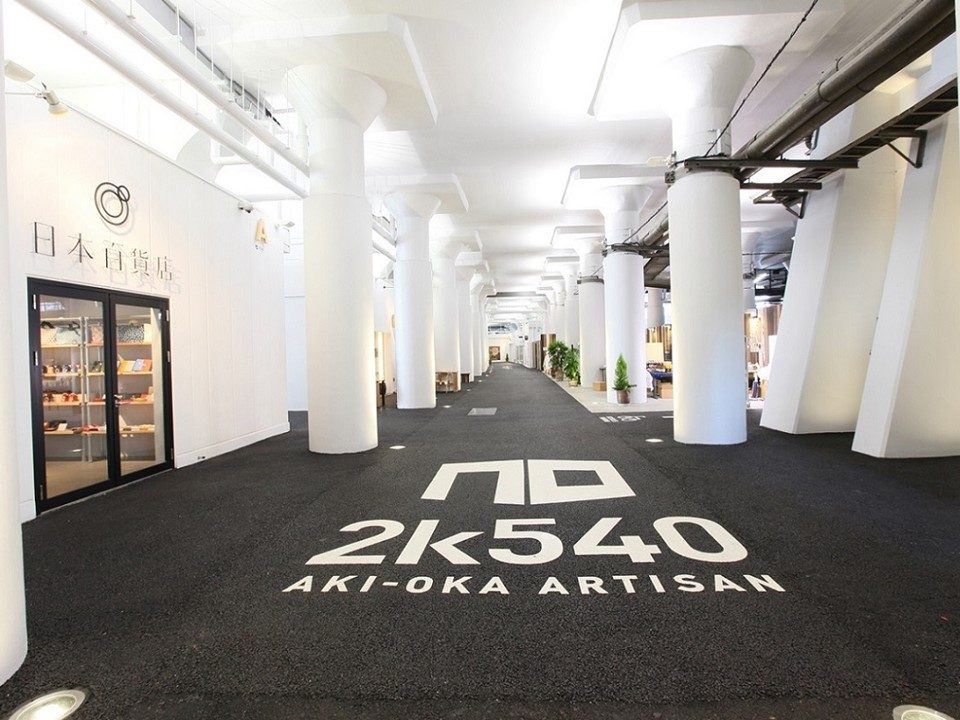
12 min walk
Located under the railway tracks, this space focuses on high-quality Japanese craftsmanship and design, providing a calmer shopping experience than the main electronics stores.
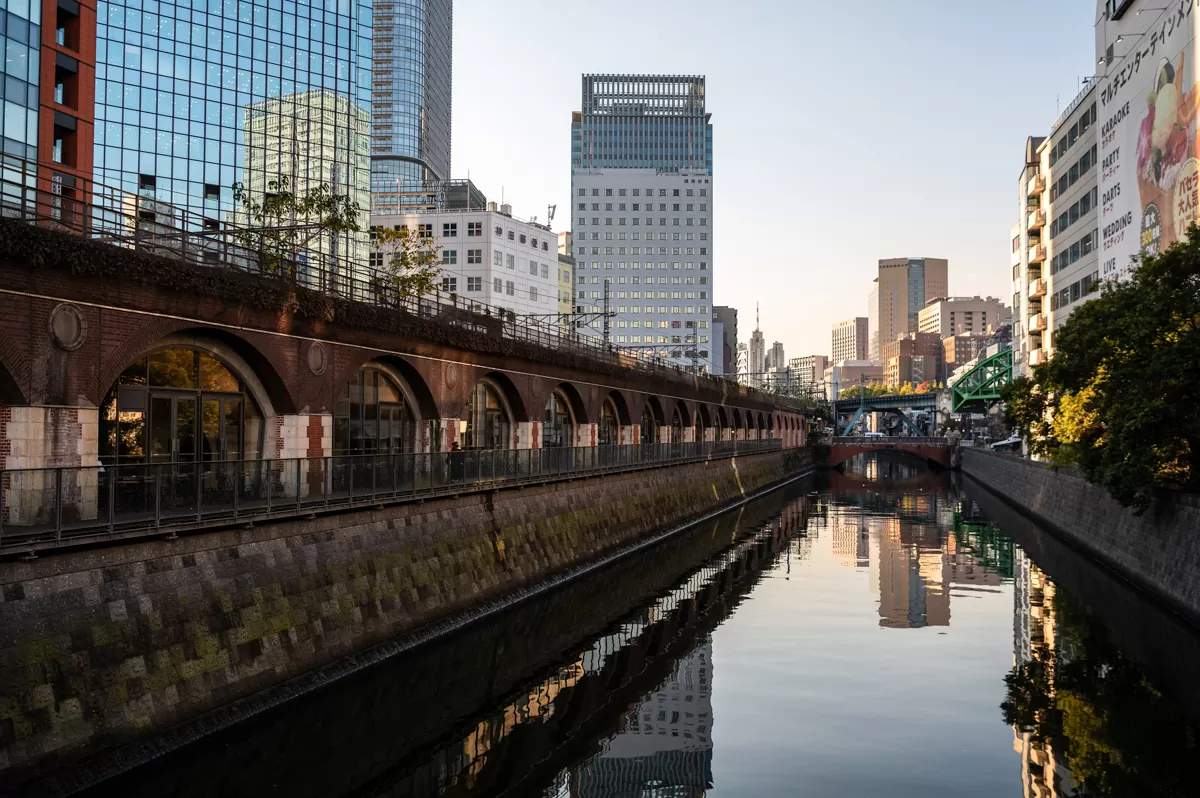
8 min walk
This site features the remnants of a historic train station and offers unique views of the Kanda River, providing insight into the district's transportation history.
Akihabara's electronics and anime stores span multiple floors and accept varying payment methods, so a bit of preparation will help you navigate the district efficiently.
Everything you need to know about akihabara tourist attractions
Akihabara is famous for its vibrant electronics district, anime culture, and retro gaming shops. Among the top akihabara tourist attractions, Radio Kaikan serves as a central hub for hobbyists and collectors seeking figures and trading cards.
To ensure a smooth experience, the best arrival window for these akihabara tourist attractions is 10:00–19:00. Visiting during this time helps you avoid weekend afternoon crowds and guarantees that all retail specialty floors are fully operational.
Most public spaces and shops in the district do not charge an entry fee. For instance, you can enter Radio Kaikan for 0 JPY (Free entry), making these akihabara tourist attractions highly accessible for budget-conscious travelers.
Many Tokyo landmarks in this district are welcoming to families, especially those interested in modern pop culture and hobby shops. However, keep in mind that some floors in specialty buildings may be crowded with narrow aisles, so monitor younger children carefully.
A common mistake is rushing through the area without checking specific store hours or visiting during peak weekend congestion. Plan your route to these akihabara tourist attractions in advance to ensure you have enough time to explore the multi-story hobby centers.
You can easily access these locations by using the JR Akihabara Station or the nearby subway lines. Once you arrive, most major sites are within short walking distance, allowing you to explore the local cityscape and hidden gem stores on foot.
Akihabara Tourist Map
Read more Tickets & toursFree Akihabara Tours
Read more Tickets & toursAkihabara Anime Tours
Read more Tickets & toursAkihabara Food Tours
Read more GuideIs Akihabara Worth Visiting?
Read more Tickets & toursAkihabara Walking Tours
Read more GuideMust-Visit Akihabara Tourist Spots
Read more