2 hr
Akihabara Anime, Manga & Maid Cafe Walking Tour
Explore Tokyo's otaku capital with a local expert and enjoy a guaranteed maid cafe experience.
Reserve
Hand-picked by our editors — only the best 5 experiences from 48 reviewed.
Verified partners for every tour, free cancellation where available, and instant confirmation on every booking.
2 hr
Explore Tokyo's otaku capital with a local expert and enjoy a guaranteed maid cafe experience.
Reserve
1 hr 30 min
Explore Tokyo's otaku heartland with a local guide, from retro arcades to hidden gachapon gems.
Reserve
2 hr
Explore Tokyo's anime capital while tasting iconic Japanese street food with a local guide.
ReservePrices from verified partners. Availability updates in real time at checkout. Free cancellation policies apply where shown.
The landmarks, rooms, and views travelers on this tour remember — all visible on a single visit.
This ancient shrine dates back over 1,200 years and serves as a peaceful escape. It is famous for balancing traditional blessings with modern tech-focused charms.
Discover a dense concentration of creative themed cafes tucked into narrow alleyways. These venues offer distinct service styles unique to this district.
This towering structure is a hub for collectors, hosting 10 floors of hobby shops. It provides an essential look into the local subculture.
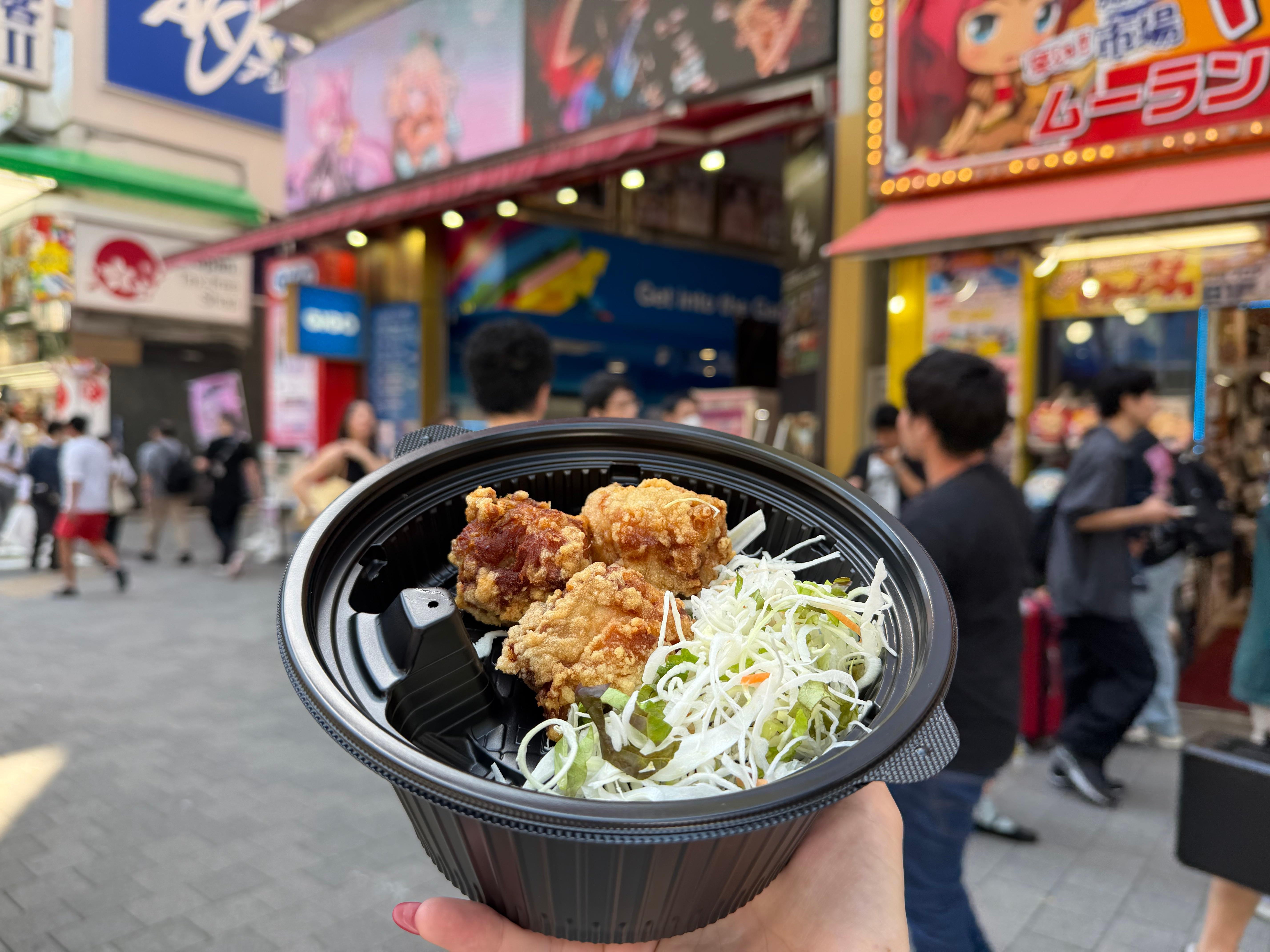
Small vendors offer fresh snacks like taiyaki and savory skewers. These stalls are a hallmark of the culinary experience in the area.
They complement each other; most visitors who do both call the themed local district experience more thrilling for anime fans. You can choose an akihabara food tour to dive deep into niche subculture bites.
| Feature | Top pick Akihabara Food Tour | Tokyo Citywide Food Tours |
|---|---|---|
Focus |
Themed cafes and street food | Historical and diverse regional cuisine |
Primary Neighborhoods |
Sotokanda district | Shinjuku, Shibuya, and Ginza |
Otaku Culture Integration |
High integration with maid cafes | Limited to no specific integration |
Food Variety |
Specialty snacks and character-themed items | Broad range of traditional Japanese dishes |
Typical Duration |
2–3 hours | 3–4 hours |
| See tickets → |
Verdict: Select the localized akihabara food tour tour for immersion in pop culture, while those seeking Tokyo landmarks should book a citywide excursion.
Choose your ticket, select your date, and reserve in under two minutes. Secure checkout handled by our verified partner.
Instant confirmation by email, with a mobile voucher you can save offline. No printing, no queuing at a collection desk.
Arrive at the entrance, show your voucher on your phone, and walk in. Most tickets include priority or skip-the-line access.
Practical details for your visit straight from our verified partners — hours, access, rules, and how to get there.
1-17-6 Sotokanda, Chiyoda City, Tokyo
Look for the central gate exit.
Take the JR Yamanote Line or Hibiya Line to Akihabara Station. The station is centrally located within Chiyoda City for easy access.
Casual and comfortable clothing is recommended for your akihabara food tour. Wear supportive walking shoes as you navigate the busy streets of Chiyoda City.
Keep personal belongings secure while exploring the district. Larger bags can often be stored in coin lockers at the train station during your akihabara food tour.
Photography is generally permitted in public areas, but always request permission before filming inside themed cafes or private shops during an akihabara food tour.
Many shops in the Akihabara district are accessible, though older buildings may have limited space for wheelchairs. Please verify specific accessibility requirements when booking your akihabara food tour.
Mobile phones are permitted for capturing memories of your tour. Ensure your device is charged for navigation within the district.
Families are welcome, though themed cafes may have specific age restrictions or menu requirements. An akihabara food tour is a great way to introduce children to local Japanese snacks.
This akihabara food tour focuses on culinary discovery, including street food and themed beverage experiences. Note that outside food is generally not permitted inside specialized cafes.
Pets are generally not permitted inside the cafes or indoor venues visited during an akihabara food tour. Service animals may be accommodated with prior notice to the tour operator.
The district remains busy throughout the week. Always check your booking confirmation for specific meeting details regarding your chosen Tokyo local experience.
1-17-6 Sotokanda, Chiyoda City, Tokyo
Look for the central gate exit.
Get directionsBest time to go, insider tips, nearby landmarks, and the cancellation fine print — flip through to skim what matters to you.
How crowds, weather, and events shift across the year.
Mild temperatures and cherry blossoms make for pleasant walking tours.
Small details that turn a good visit into a great one.
Popular tours often fill up quickly, so confirm your akihabara food tour reservation early. This ensures your preferred date and time.
Non-bookable sights within a short walk — free to visit, easy to pair.
A historic Shinto shrine featuring beautiful architecture and spiritual significance. It offers a calm contrast to the busy district.
Flexible, no hidden fees.
Full refunds are available for any akihabara food tour canceled at least 24 hours in advance. Entrance to the Akihabara district is 0 JPY, though specific tour fees apply as listed in the product grid.
Hand-picked options within walking distance — pick a district for vibe, or a specific hotel for convenience.
Conveniently located near the station with modern rooms.
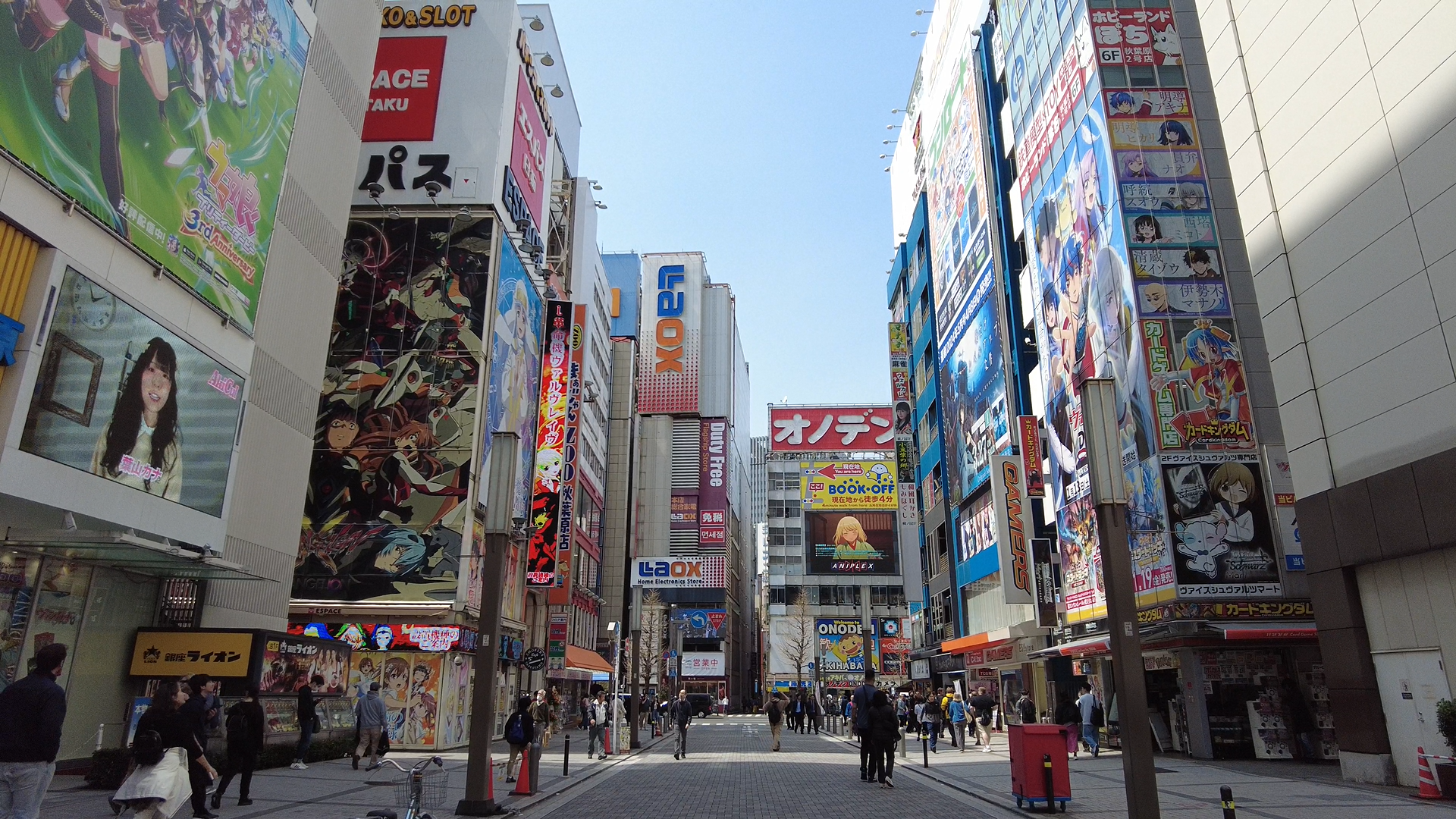
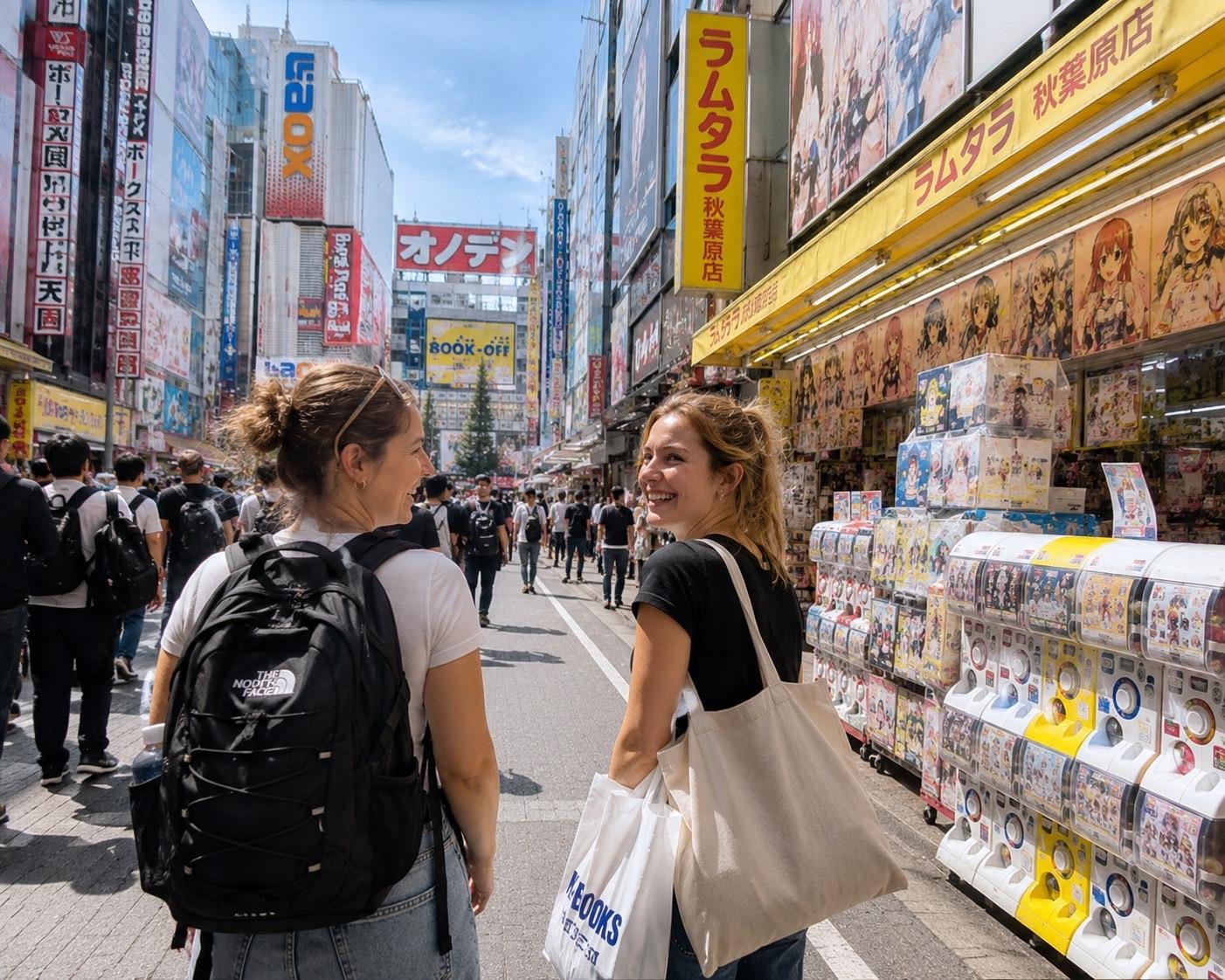
Akihabara was named for a fire-prevention shrine built after the blaze of 1869, and for most of a century it sold nothing edible at all. The district took shape under the elevated tracks of the Sōbu Line, where postwar stallholders traded vacuum tubes and salvaged radio parts to students from the nearby technical schools. Radio Kaikan opened in 1962 and fixed the area's reputation as Denki-gai, the electric town. Food followed the crowds rather than leading them. Standing soba counters, yakitori grills and curry houses filled the brick arches beneath the viaduct because they could feed a technician in eleven minutes and charge him very little. That compression of space and speed is still the organising logic of any akihabara food tour: kitchens the width of a doorway, menus settled by ticket machine, seats measured in elbows. The second transformation arrived in the 1990s, when personal computing moved to the suburbs and anime retail moved in. Cafes became costume. The first maid cafe in Sotokanda opened in 2001, and within a decade the model had multiplied into concept rooms built around manga series, rhythm games, owls, and cats. These rooms matter because they inverted the usual relationship between food and setting. The omurice is competent; the handwriting in ketchup across it is the product. Guided akihabara food tour tours exist largely to translate that distinction, along with the house rules, photography etiquette and table-charge conventions that govern each room. Street-level eating survived the shift. Chūō-dōri closes to traffic on Sunday afternoons, and the side lanes toward Kanda Myōjin keep an older Tokyo texture: taiyaki pressed in cast-iron moulds, takoyaki turned with a pick, senbei brushed with soy over charcoal, melonpan sold warm from a window with no seating at all. A single akihabara food tour tour typically threads both registers, moving from an anime-themed counter to a stall that has not changed its recipe since the Shōwa era. Architecturally the district reads as layers rather than monuments. Nine-storey buildings stack a ramen shop, a card shop, a figure gallery and a cafe into one vertical street, with the kitchen exhaust and the shop signage sharing the same facade. Akihabara Station's Electric Town exit, rebuilt in 2006, funnels roughly 250,000 passengers a day into that stack. Entry to the district itself costs 0 JPY; the streets are public and never close, open 00:00–23:59 every day of the week. What visitors are actually buying, when they buy akihabara food tour tickets, is an edited path through a place with too many doors.

"The omurice is competent; the handwriting in ketchup across it is the product."
A step-by-step walkthrough of the visit — what you'll see, how long each stage takes, and the details that matter.
You come up through the Electric Town exit and the sound arrives first — game-centre jingles layered over a girl-group chorus from a third-floor speaker. Your guide is holding a laminated card by the pillar. Head count, then straight into the lanes behind Chūō-dōri, where the buildings narrow and the air smells of soy scorching on iron. First stop is a standing counter with six places and no door. You eat takoyaki with a toothpick, too hot, and learn to bite the shell before the centre. Then melonpan from a window, still warm, sugar crust cracking. You climb four flights to a themed cafe where you surrender your shoes' pace to house rules: no photographs of staff without permission, one drink minimum, a bell rung when your omurice lands with your name drawn across it in ketchup. Back down at street level you cross toward Kanda Myōjin, where the noise drops by half within two blocks. A senbei vendor brushes soy onto rice crackers over charcoal and hands you one in paper. You stand on the shrine steps and eat it. The last hour loops back under the viaduct. Brick arches, nine seats, a yakitori grill working without pause. Your guide orders five skewers for the group and explains the ticket machine you will use tomorrow on your own. Arrive between 10:00 and 18:00 and the whole circuit stays fully lit and fully staffed.
The Akihabara district is open 00:00–23:59, though tours operate during specific booked hours.
Yes, children are welcome on most walking experiences, but check specific tour restrictions.
Cancellations made 24 hours in advance receive a full refund, excluding any booking platform fees.
The best arrival window is 10:00–18:00 when most shops and cafes are fully operational.
Casual, comfortable clothing and supportive shoes are recommended for walking.
Yes, professional lighting, large tripods, and drones are typically restricted.
The primary meeting point is Akihabara Station, easily reached via the JR Yamanote Line.
Yes, photography is permitted in public areas, but ask before filming inside cafes.
Prices vary by tour product; entrance to the district itself is 0 JPY.